4/19/2005

Dragonfly (tonbo)

[ . BACK to Worldkigo TOP . ]
:::::::::::::::::::::::::::::::::::::::::::::::::::::::::::::::::::::::::::::::::::::::::::::::::::::

Dragonfly (tonboo, tomboo - Tombo)

***** Location: Japan
***** Season: All Autumn, and see below
***** Category: Animal


*****************************
Explanation

The dragonflies are the real harbingers of autumn here in the air! They come in many forms and sizes, some almost like small helicopters. And our cats love to chase after them when they start hopping over water puddles.


Shared by Pat Geyer
Joys of Japan, February 2012


Japan was once called Akitsushima meaning
"The Island of the Dragon-fly".
So this animal is very dear to the Japanese heart!


They are also a symbol of good luck here, because they never go back.

Most dragonflies are of course seen during other seasons too, but they are at their best, so to say, in autumn, therefore this is their use as a code word for poetry (kigo) .

There are also different kinds of dragonflies, some are kigo for other seasons, see below.

:::::::::::::::::::::::::::::::::::::::::::::::::::::::::::::::::::::::::::::::::::::::::::::::::::::::


Dragonfly and larva
Mori Shunkei 森春渓  (active around 1800-20 in Osaka)

:::::::::::::::::::::::::::::::::::::::::::::::::::::::::::::::::::::::::::::::::::::::::::::::::::::::

Let us look at some kigo with these animals.

dragonfly, tonbo (tombo, tonboo) 蜻蛉
..... seirei せいれい
..... akitsu あきつ
..... chan ちゃん
..... shibuchan 渋ちゃん(しぶちゃん)
..... yanma 蜻蜓(やんま)
..... enba えんば, enma えんま, tonboo とんぼう


big dragonfly, devil's dragonfly, oni yanma 鬼やんま(おにやんま)
Anotogaster sieboldii
silver dragonfly, gin yanma 銀やんま(ぎんやんま)
dragonfly with a small body, koshiboso yanma 腰細やなま
black yanma, kuro yanma 黒やんま(くろやんま)
green dragonfly, ao yanma 青ヤンマ、青やんま
"chinz yanma", sarasa yanma 更紗やんま(さらさやんま)
kiyanma 胡黎(きやんま)


green dragonfly, ao tonbo, aotonbo 青蜻蛉(あおとんぼ)
butterfly dragonfly, choo tonbo 蝶蜻蛉

salt dragonfly, shio tonbo 塩蜻蛉(しおとんぼ)

"salt store dragonfly", shioya tonbo 塩屋蜻蛉(しおやとんぼ)
Orthetrum japonicum japonicum


. . . . .

"shiokara tonbo" 塩辛蜻蛉(しおからとんぼ)
Orthetrum albistylum speciosum
. shiokara . is made from seafood pickled in salt.
A very common dragonfly. The belly of the male is white or light blue. The abdomen of the female is brown, she is called
wheat straw dragonfly, mugiwara tonbo
麦藁蜻蛉(むぎわらとんぼ)
..... straw dragonfly, mugi tonbo 麦蜻蛉(むぎとんぼ)

. . . CLICK here for Photos !

. . . . .

. shoojoo tonbo 猩々蜻蛉(しょうじょうとんぼ)
Shojo Dragonfly, "Tipster Sprite dragonfly

Crocothemis servilia mariannae


shooroo tonbo 精霊蜻蛉(しょうろうとんぼ)
lit. "lantern for the dead"
. . . . . or
"Buddha dragonfly", hotoke tonbo 仏蜻蛉(ほとけとんぼ)
Pantala flavescens


wide belly dragonfly, harahiro tonbo,
腹広蜻蛉(はらひろとんぼ)harabiro tonbo
Lyriothemis pachygastra


"tiger spotted dragonfly", torafu tonbo 虎斑蜻蛉(とらふとんぼ)
Epitheca marginata Selys


dragonfly in high mountains, takane tonbo
高嶺蜻蛉(たかねとんぼ)
Somatochlora uchidai


koshiaki tonbo こしあき蜻蛉(こしあきとんぼ)
Pseudothemis zonata


old dragonfly, mukashi tonbo 昔蜻蛉(むかしとんぼ)
Epiophlebia superstes


fishing with dragonflies, tonbo tsuri
蜻蛉釣(とんぼつり)


. . . . .

red dragonfly, aka tonbo 
赤蜻蛉 赤とんぼ . アカトンボ


http://www.kagiken.co.jp/new/kojimachi/mushi.html


Sympetrum darwinianum

..... maybe the most loved one in Japan due to a children's song about it.

夕焼小焼の、赤とんぼ
負われて見たのは、いつの日か

You can listen to it here : Akatonbo Song

Other kigo names for this special red dragonfly are:

noshime のしめ
noshime tonbo のしめ蜻蛉
akienba 赤蜻蛉、赤卒
aki akane 秋茜 "red autumn"
akaenba 秋卒(あかえんば)

hatchoo tonbo 八丁蜻蛉(はっちょうとんぼ)
Nannophya pygmaea


Red Dragonfly deep in the mountains
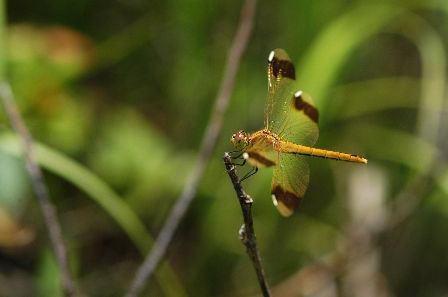
http://ww4.tiki.ne.jp/~quercus/satoyama/224-12.html
miyama akane 深山茜

Red Dragonfly with high eyebrows

http://pd-hino.hp.infoseek.co.jp/Y2005/M507/z_mayutateakane5071.html
mayutate akane 眉立茜 マユタテアカネ


:::::::::::::::::::::::::::::::::::::::::::::::::::::::::::::::::::::::::::::::::::::::::::::::::::::

kigo for mid-summer

tonbo umaru 蜻蛉生る (とんぼうまる) dragonfly is born
..... yago やご, larvae of dragonfiels
yamame やまめ、taikomushi 太鼓虫(たいこむし)
tonbo no ko 蜻蛉の子(とんぼのこ)"dragonfly children"

. . . CLICK here for Photos !

Libellenlarve


:::::::::::::::::::::::::::::::::::::::::::::::::::::::::::::::::::::::::::::::::::::::::::::::::::::
:::::::::::::::::::::::::::::::::::::::::::::::::::::::::::::::::::::::::::::::::::::::::::::::::::::


Dragonfly
Anisoptera: Flying colors

Red, orange, yellow, green, blue, indigo, violet. We're not talking about the colors of the rainbow...we're talking dragonflies! When you consider that these common insects have been around for more than 200 million years, you could say that our planet has always been a very colorful place! But the dragonfly isn't born with his smashing fashion sense. He enters the world as a tiny egg--one of hundreds laid underwater by momma dragonfly. Next, he enters the larval stage, and is then known as a nymph. During this stage, the dragonfly nymph hangs out underwater, growing larger and larger, until he "sheds" his skin--and out pops a full-grown, full-blown dragonfly.

© Animal Encyclopedia
http://www.animaland.org/asp/encyclopedia/dragonfly.asp

xxxxxxxxxxxxxxxxxxxxxxxxxxxxx


Link with photos of this animal.
http://www.flowers.vg/flowers/bug09.htm

xxxxxxxxxxxxxxxxxxxxxxxxxxxxx

An impressive page with all about the dragonfly, as symbol, in religion, in art and so on:
Cultural Odonatology References
http://uci.net/~pondhawk/odonata/cultural_odonatology.html

My safekeep copy is here:
All about the Dragonfly by Ron Lyons


*****************************
Worldwide use

France

Dragonflies (Odonata), or odonatoptères - more known as dragonflies - are one order of insects with elongated body with two pairs of membranous wings generally transparent and whose compound eyes and generally allow them to large effectively hunt their prey. They are aquatic in the larval state and terrestrial as adults. They are predators that may be encountered occasionally in any type of environment, but are more common in the vicinity of of areas freshwater to brackish , stagnant at current low, they need to reproduce.
In French language , the term dragonfly is generally used in a broad sense to refer to the Odonata, which include two sub-orders : damselflies ( Zygoptera ) and dragonflies strict sense ( Anisoptera ).
A third sub-order, Anisozygoptères ( Anisozygoptera ) has only Himalayan species and one Japanese. In 1996, Günter Bechly combined the two suborders Anisoptera and Anisozygoptera in Epiproctophora including their analogy in the larval stage (presence of épiproctes and not of caudal lamellae as in Zygoptera).


At edge of the pond
to keep me company
a young lady.


(Other word in french for dragonfly)

- Shared by Patrick Fetu -
Haiku Culture Magazine, 2013


:::::::::::::::::::::::::::::::::::::::::::::::::::::::::::::::::::::::::::::::::::::::::::::::::::::::::::::::::


Germany

Libelle, Libellen


*****************************
Things found on the way


The Dragon-fly
by Alfred Lord Tennyson apparently from ``The Two Voices''

Today I saw the dragon-fly
Come from the wells where he did lie.
An inner impulse rent the veil
Of his old husk: from head to tail
Came out clear plates of sapphire mail.
He dried his wings: like gauze they grew;
Thro' crofts and pastures wet with dew
A living flash of light he flew.

http://uci.net/~pondhawk/odonata/cultural_odonatology.html


:::::::::::::::::::::::::::::::::::::::::::::::::::::::::::::::::::::::::::::::::::::::::::::::::::::


Click for more information !

. Tonbodama とんぼだま【蜻蛉玉】 Dragonfly Glass Beads


:::::::::::::::::::::::::::::::::::::::::::::::::::::::::::::::::::::::::::::::::::::::::::::::::::::


稲妻や浪もてゆ(結)へる秋津しま
inazuma ya nami moteyueru Akitsushima

lightning -
the Islands of Japan
are surrounded by waves

Tr. Gabi Greve


quote
lightning --
girdled by waves
islands of Japan


In this hokku, the light from the lightning (inazuma), a seasonal word for autumn associated in the ancient period with the rice harvest (ina), enables the viewer to see the waves surrounding all the islands of Akitsushima (an anceint name for Japan that originally meant the islands where rice grows richly). This is not the result of direct experience. It is a spectacular aerial view - a kind of paean to the fertility and beauty of the country - that would only be possible from far above the earth.
source : Haruo Shirane

A flash of lightning--
Wound around with waves
Akitsu Islands

Tr. Nelson/Saito


蜻蛉や村なつかしき壁の色  
tonboo ya mura natsukashiki kabe no iro

this dragonfly -
the color of the walls
of my hometown village 


The cut marker YA is at the end of line 1.
natsukashii a direct expression of his loving and longing emotions toward the village and the old walls.

. Yosa Buson 与謝蕪村 in Edo .


*****************************
HAIKU


蜻蛉釣り今日はどこまで行ったやら
tombo-tsuri kyoo wa doko made itta yara

catching dragonflies -
how far did we go
today ?
(Tr. Gabi Greve)

Chiyo-jo千代女 (Chiyo-Ni)
http://www.takase.com/Haiku/HaikuSource01.htm

:::::::::::::::::::::::::::::::::::::::::::::::::::::::::::::::::::::::::::::::::::::::::::::::::::::


Takarai Kikaku 宝井基角 wrote:

赤とんぼ羽をとったら唐がらし
akatonbo hane o tottara toogarashi

red dragonfly
when the wings are taken off
just a red pepper


When Basho saw Kikaku's haiku, he said:

"No, this is not a good haiku, because you kill the dragonfly.
If you want to make a good haiku,
you must give it life and say instead:

唐がらし羽をつけたら赤とんぼ
toogarashi hane o tsuketara akatonbo

red pepper -
put wings on it to get
a red dragonfly

.


Basho and Kikaku

Kikaku was just clever.

But to make a good haiku, you need more than cleverness:

You need compassion towards nature. So this was a great message to Basho's
students about the importance of nature and the importance of our attitude
towards nature.
- Good Advise for Writing Haiku -


source : oyamabatyan


:::::::::::::::::::::::::::::::::::::::::::::::::::::::::::::::::::::::::::::::::::::::::::::::::::::


垣竹と蜻蛉と映る障子かな
kaki-dake to tombo to utsuru shooji kana!

on my paper window
the shadow of a dragonfly
and the bamboo fence


許白
http://symnet.ishikawa-c.ac.jp/salon/haiku1.html

Bamboo as kigo, in art and in my garden


:::::::::::::::::::::::::::::::::::::::::::::::::::::::::::::::::::::::::::::::::::::::::::::::::::::


The Haiku Photo Gallery
http://home.alc.co.jp/db/owa/ph_detail?photo_sn_in=1454
Museki Abe

:::::::::::::::::::::::::::::::::::::::::::::::::::::::::::::::::::::::::::::::::::::::::::::::::::::

- - - - - Kobayashi Issa - - - - -


mikazuki o nirame tsumetaru tombo kana

scowling
at the sickle moon...
a dragonfly
Tr. David Lanoue


- - - - -


罪人を済度に入れるか赤とんぼ
zainin o saido ni ireru ka aka-tombo

red dragonflies,
are you here to lead criminals
to enlightenment?

Tr. Chris Drake

There may be other versions of this hokku, but I use the one in Issa's collected works 1.543. It's from a manuscript from 1823 and is an autumn hokku. Issa seems to be deeply moved by the many red dragonflies darting here and there, ignoring gravity in remarkable ways. They fly so freely they resemble bodhisattvas to Issa, and he uses Buddhist language (saido) to ask them if they are here in this world like bodhisattvas to guide even criminals to enlightenment and the other shore.

Surely he also means to Amida's Pure Land. Amida has promised to accept into the Pure Land even the most hardened and cruel criminals if they call out his name with an unwavering and utterly devout heart, and when Issa sees the dragonflies he also seems to feel a wave of utter devotion coming over him. He is no doubt acutely aware of his own imperfections, and he may feel no decisive difference between himself and the condemned criminals who often pass westward through his hometown on their way to work in the prison silver mines on Sado Island, out in the Japan Sea. To me this hokku may be asking the dragonflies if they would be willing to guide Issa, too.

Chris Drake

- - - - -

づぶ濡にぬれてまじまじ蜻蛉哉
zubunure ni nurete maji-maji tonbo kana

rain drips steadily
from unblinking
dragonfly eyes

Tr. Chris Drake

This hokku is from the 8th month (September) of 1817, when Issa was traveling around to see various haikai poets who lived near his hometown. Issa seems fascinated by the large, compound eyes (with 30,000 lenses) of a dragonfly staring hard at something in the rain. Bulbous eyes that resemble large goggles are wrapped around the dragonfly's head and neck, making possible 360-degree vision, and they have no eyelids, so raindrops strike the dragonfly's big eyes directly and then drip off them, allowing the dragonfly to stare intently despite the rain. Perhaps Issa wishes he could use his limited human eyes to stare equally hard and unflinchingly at everything in the world around him, even through rain and through various human restrictions that try to limit human vision.

Chris Drake

. Kobayashi Issa 小林一茶 in Edo .

:::::::::::::::::::::::::::::::::::::::::::::::::::::::::::::::::::::::::::::::::::::::::::::::::::::


yuku mizu ni onoga kage ou tombo kana

over the flowing water
chasing its shadow -
the dragonfly

Lady Chiyo-ni

:::::::::::::::::::::::::::::::::::::::::::::::::::::::::::::::::::::::::::::::::::::::::::::::::::::

蜻蜒や取りつきかねし草の上 
tonboo ya tori tsuki kaneshi kusa no ue

this dragonfly -
it tries so hard to hold on
to a blade of grass

Tr. Gabi Greve

Written in Genroku 3 (1690).

. WKD - Matsuo Basho Archives 松尾芭蕉 .


:::::::::::::::::::::::::::::::::::::::::::::::::::::::::::::::::::::::::::::::::::::::::::::::::::::
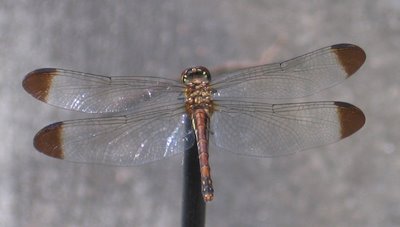

red dragonfly: a gust bends the reeds

a red dragonfly hovers -- Daruma's robe

"chibi" (pen-name for Dennis M. Holmes)

Read more of Chibi's haiku on the dragonfly here:
http://darumasan.blogspot.com/2004/02/daruma-haiku-by-chibi.html


:::::::::::::::::::::::::::::::::::::::::::::::::::::::::::::::::::::::::::::::::::::::::::::::::::::


石垣に蜻蛉の蔭の踊りかな
ishigaki ni tonbo no kage no odori kana

old stone wall -
the dancing shadows of
dragonflies

alte Steinmauer -
die tanzenden Schatten
der Libellen

Click HERE to look at the wall.

Gabi Greve

:::::::::::::::::::::::::::::::::::::::::::::::::::::::::::::::::::::::::::::::::::::::::::::::::::::


Japanese link with many many many haiku about the dragonfly!
... ... ... とんぼの俳句

赤とんぼ空に流れる竜田川 (柳多留一)


亡き人のしるしの竹に蜻蛉かな 几薫

http://symnet.ishikawa-c.ac.jp/salon/haiku1.html

safekeep copy is here
http://blog.livedoor.jp/worldkigo/archives/30837644.html

:::::::::::::::::::::::::::::::::::::::::::::::::::::::::::::::::::::::::::::::::::::::::::::::::::::


akatonbo sugu furusato ya nihonjin
赤蜻蛉 すぐ故郷や 日本人

red dragonfly -
the Japanese soon think of
their native place


Gabi Greve
red dragonfly in the heart

:::::::::::::::::::::::::::::::::::::::::::::::::::::::::::::::::::::::::::::::::::::::::::::::::::::


asamauathu
ore mazha ~
thumbikalellam olivil
[Malayalam]

untimely rains ~
dragonflies all
in hiding


Narayanan Raghunathan
http://www.wonderhaikuworlds.com/


:::::::::::::::::::::::::::::::::::::::::::::::::::::::::::::::::::::::::::::::::::::::::::::::::::::


Shared by Pat Geyer
Joys of Japan, February 2012


*****************************
Related words

***** damselfly, itotonbo 糸蜻蛉
tooshin tonbo 燈心蜻蛉(とうしんとんぼ)
toosumi tonbo とうすみ蜻蛉(とうすみとんぼ)
kigo for all summer


first damselfly -
prince frog rolls out
his carpet


первая стрекоза-красотка -
принц-лягушка раскатывает
свой длинный ковёр

Nancy Stewart Smith
http://www.worldhaikureview.org/4-1/whcrussian_files/slides/11.htm

xxxxxxxxxxxxxxxxxxxxxxxxxxxx


gentle breeze
a damselfly at rest
on a blade of grass


Bill Kenney


.................................................................................


pair of damselflies....
in an ephemeral life,
wish a great blessing


- Shared by Taisaku Nogi
Joys of Japan, March 2012


:::::::::::::::::::::::::::::::::::::::::::::::::::::::::::::::::::::::::::::::::::::::::::::::::::::


CLICK for more photos

kawa tonbo 川蜻蛉 (かわとんぼ) "river dragonfly"
kanetsuke tonbo かねつけ蜻蛉(かねつけとんぼ)
ohaguro tonbo, o-haguro tonbo 鉄漿蜻蛉(おはぐろとんぼ)
Mnais nawai, Mnais pruinosa etc.
kigo for all summer


natsu akane 夏茜 (なつあかね) "summer akane"
kigo for all summer


. . . . .


sanaetonbo, sanae tonbo 早苗蜻蛉 (さなえとんぼ)
"dragonfly in the young rice plants"
kigo for mid-summer
. . . CLICK here for Photos !


:::::::::::::::::::::::::::::::::::::::::::::::::::::::::::::::::::::::::::::::::::::::::::::::::::::


***** Ephemera, kageroo, kagerō,
hiomushi 蜉蝣

early autumn. Some saijiki list it in spring.


Other Japanese names are:

かげろふ  hiomushi 虫秀
dragonfly with a white belly, shirahara tonbo 白腹蜻蛉
spreckled dragonfly, madara tonbo 斑蜻蛉
shoosetsu tonbo 正雪蜻蛉 Shosetsu dragonfly

named after
. Yui Shōsetsu 由井正雪 Yui Shosetsu (1605 - 1651) .


Ephemera with a spot, mon kageroo 紋蜉蝣


This is a fly that lives only a few hours after it appears from its three years under water as a larvae. In German it is called: One-Day fly, Eintagsfliege. In English, it is also called May fly, although in Japan it is seen only from July to September.

Since it has such a short life, it is a symbol of the tragic life on earth. The flies come out in great crowds on Autumn evenings and dance like crazy, like snow.

The larvae of the the ant lion (arijigoku 蟻地獄) are called "usuba kageroo" usubakagerō 薄翅蜉蝣.
:::::::::::::::::::::::::::::::::::::::::::::::::::::::::::::


Kagero Nikki the Gossamer Years, 974
The Kagero Diary (Kagero nikki) Kageroo Nikki -

:::::::::::::::::::::::::::::::::::::::::::::::::::::::::::::

かげろうに妻奪われて急ぐなり
前田吐実男

十九歳蜉蝣の胴紙に貼る
四ッ谷龍

幽すいにたらふくなつてかげろへる
松澤昭

現代俳句データベース

xxxxxxxxxxxxxxxxxxxxxxxxxxxxxx


beim Schreiben des Gedichts:
eine Eintagsfliege läuft
über meine Hand

writing this poem:
a may fly crawls
over my hand

(Tr. Gabi Greve)

ziemlichkraus
http://www.ziemlichkraus.de/haiku/haiku.htm


.............................................................................


kigo for early summer

hoonenmushi 豊年虫 (ほうねんむし)
"kagero for a good harvest"

mon kageroo 紋蜉蝣(もんかげろう)
Ephemera japonica

. . . . .


kigo for late summer

kusa kageroo 草蜉蝣 (くさかげろう) lacewing fly
fam. Chrysopidae


:::::::::::::::::::::::::::::::::::::::::::::::::::::::::::::::::::::::::::::::::::::::::::::::::::::

Chinz さらさ, sarasa and kigo

[ . BACK to WORLDKIGO  TOP . ]
[ . BACK to DARUMA MUSEUM TOP . ]

:::::::::::::::::::::::::::::::::::::::::::::::::::::::::::::::::::::::::::::::::::::::::::::::::::::

4/15/2005

Hina Doll Festival

[ . BACK to Worldkigo TOP . ]
::::::::::::::::::::::::::::::::::::::::::::::::::::::::::::::::::::::::::::::::::::::::::::::::::::: 

Hina Doll Festival (hina matsuri 雛祭り)

***** Location: Japan
***** Season: Mid-Spring
***** Category: Observance


*****************************
Explanation

March 3 (the double three date)


google logo, March 3, 2911


The third day of the third lunar month
had a climate similar to our present-day April. Due to the calendar differences with the lunar months, some rituals are placed in "late spring" and some regions celebrate this day on the third of April.
Double-dates like 3/3, 5/5, 9/9 were special festival days in Japan
. Names of Months and Calendar Systems .


The word DOLL here refers to the hina dolls, which are special and not the dolls girls play with every day.
For more about puppets and normal dolls, see below.
The word DOLL, by itself, is not a kigo but a topic for haiku.

The hina dolls are usually given to the girl at her birth by the grandparents and are kept as family mementos or passed on to the eldest daughter. To unpack them each year from their elaborate boxes is a joy for mother, grandmother and daughter, often versed in poetry as "bringing them to live", "let them see the world again" etc.
After the festival, the are wrapped and put back into their boxes, another party for mother, grandmother and daughters with more haiku to be written about.


:::::::::::::::::::::::::::::::::::::::::::::::::::::::::::::::::::::::::::::::::::::::::::::::::::::


(Unfortunately, the fans they once held were lost years ago.)

ancient women . . .
so long in service
without fans


- Shared by Elaine Andre
Joys of Japan, March 2012


:::::::::::::::::::::::::::::::::::::::::::::::::::::::::::::::::::::::::::::::::::::::::::::::::::::

Doll Festival, Peach Festival or Girl's Festival.

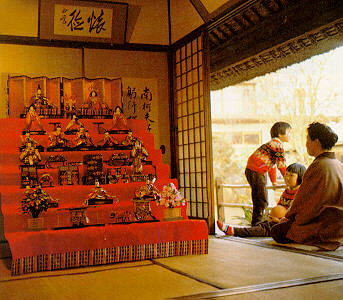
People pray for the happiness and healthy growth of girls and families with young daughters set up a display of dolls inside the house.The tradition goes back to the Edo Period (1603-1868). The dolls wear costumes of the imperial court during the Heian period (794-1192) and are placed on a platform with various tiers of five to seven layers.


The top tier is for the Emperor and Empress. A miniature gilded folding screen is placed behind them as it was in the real court. The second tear has three ladies-in-waiting. The third has five male court musicians; the fourth has ministers sitting on either side of trays of food; the fifth has guards with an orange tree on the left and a cherry tree on the right.

The family celebrates with a special meal of diamond-shaped rick cakes and sweet shirazake which is rice malt with sake.The dolls are returned to their storage space after the festival is over since there is a superstition that families that are slow in putting the dolls away will have difficulty in marrying off their daughters.
© More in the WIKIPEDIA !


:::::::::::::::::::::::::::::::::::::::::::::::::::::::::::::::::::::::::::::::::::::::::::::::::::::


Hina Doll Decoration
shared by Kyoko Shibata
Joys of Japan


:::::::::::::::::::::::::::::::::::::::::::::::::::::::::::::::::::::::::::::::::::::::::::::::::::::


There are many kigo related to the customs of this important festival.
Let us look at some of them.


hina matsuri, 雛祭り (ひなまつり)
(Japanese) Doll Festival, Hina Doll Festival


playing with dolls, hina asobi 雛遊び
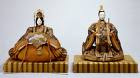
hina dolls, hina ningyoo 雛人形
Emperor Dolls, dairibina 内裏雛
Court Lady Dolls, kanjobina 官女雛
"five musicians", gonin bayashi 五人囃(ごにんばやし)
Minister Doll, yadaijin 矢大臣(やだいじん)
sannin shichoo 三人使丁(さんにんしちょう)

arranging dolls, hina awase 雛合(ひなあわせ)
雛の調度(ひなのちょうど)
雛の貝(ひなのかい)shells with dolls
. kaibina 貝びな hina dolls from hamaguri clams .

dolls on the shelf, hinadan 雛壇
dolls made from wood, kibori bina 木彫雛
dolls made from paper, kami bina 紙雛
dolls made from strings, ito bina 糸雛(いとびな)
dolls made from folded paper (origami), oribina 折雛(おりびな)


CLICK for more photos
dolls from the Muromachi period, muromachibina
室町雛(むろまちびな)


CLICK for more photos
dolls form the Kanei period, kanei bina
寛永雛(かんえいびな)


CLICK for more photos
dolls from the Genrokuk period, genroku bina
元禄雛(げんろくびな)


CLICK for more photos
dolls from the Kyooho period, kyoohobina
享保雛(きょうほびな)


kyoobina 京雛(きょうびな)hina dolls from Kyoto


. Kokawabina, Kokawa bina 粉河雛(こかわびな)
hina dolls fro Kokawa .

Kishu, Wakayama


standing dolls, tachibina 立雛

first dolls for a girl, hatsu bina 初雛
old dolls, furubina 古雛
dolls given away, yuzuri bina 譲り雛

rice bowl for hina dolls, hina no wan 雛椀(ひなわん)

room with the doll shelf, hina no ma 雛の間
home with a doll shelf, hina no yado 雛の宿
food tray for the dolls, hina no zen 雛の膳
feasting with the dolls, hina no en 雛の宴
ricewine for the dolls, hina no sake 雛の酒
peach ricewine, momo no sake 桃の酒 


sweets for the Doll festival, hina arare 雛あられ


More sweets for the Doll festival and sweet white rice wine
Shirazake 白酒 (しろざけ), hishi mochi 菱餅 (ひしもち)


market selling dolls, hina ichi 雛市

packing the dolls away, hina osame 雛収め
After the festival on the third of March, the dolls are packed away again for another year. They have special boxes to store them.
In some areas of Japan, it is the custom to
float old hina dolls in a boat after the festival (hina nagashi 雛流し, hina okuri 雛送り、 nagashibina 流し雛).


The dolls are placed in a small ship or round basked made of straw.

..........................................


box for the hina dolls, hina bako 雛箱(ひなばこ)
..... hina no hitsu 雛の櫃(ひなのひつ)
..... hina tsuzura 雛葛籠(ひなつづら)

:::::::::::::::::::::::::::::::::::::::::::::::::::::::::::::::::::::::::::::::::::::::::::::::::::
CLICK for more photos

Peach Blossom Festival, momo no sekku
桃の節句 (もものせっく)

..... tooka no setsu 桃花の節(とうかのせつ)

March Seasonal Festival, sangatsu sekku
三月節句(さんがつせっく)
..... yayoi no sekku 弥生の節句(やよいのせっく)

Hina Doll seasonal festival, hina no sekku
雛の節句(ひなのせっく) "peach day", momo no hi 桃の日(もものひ)


.................................................................................


observance kigo for late spring

jooshi 上巳 (じょうし) "first day of the snake"
It used to be the first day of the snake in the third lunar month, but now it is celebrated on the third of March.


In China, people used to purify their body in a river before the rituals. This became the custom of floating hina dolls (nagashibina).
Also at the Imperial Court during the Heian period, people sat by a bent river and composed poetry 曲水の宴 (gyokusui no en), as a kind of purification ritual.
winding garden stream at a kyokusui-no-utage


gyokusui 曲水 (きょくすい) "meandering stream"
..... gokusui 曲水(ごくすい)
gyokusui no en 曲水の宴(きょくすいのえん)Party at the meandering stream
megurimizu no toyo akari 曲水の豊明(めぐりみずのとよあかり)
ryuushoo 流觴(りゅうしょう)
sakazuki nagashi 盃流(さかずきながし)floating cups with sake

The stream was located at the south-east part of the Imperial Palace park.

quote
A typical feature of Heian-period (794-1185) pond gardens was the yarimizu (遣水, 遣り水; kyokusui 曲水, a.p. gyokusui), or winding garden stream, although its inclusion in garden designs dates from the late Nara period (710-794). A popular Heian festival was the kyokusui-no-en (曲水の宴, a.p. kyokusui-no-utage), or the Feast of the Winding Stream, held in March each year. Poetry was composed and recited by courtiers dressed in elaborate dress who sat by the side of the winding stream, partaking of delicate edibles and peach sake as the cups and dishes floated gently by.
An account of this ceremony appears in Genji-monogatori (源氏物語 The Tale of Genji), and the festival has since been revived
at Mōtsū-ji Temple, Hiraizumi, where it is held annually in May.
source : www.japanesegardensonline.com


:::::::::::::::::::::::::::::::::::::::::::::::::::::::::::::::::::::::::::::::::::::::::::::::::::::
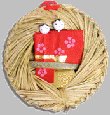

Daruma with his Missus as Hina Dolls


Made of Chocolate, Collection of Gabi Greve


Darumabina 達磨雛

.................................................................................


In our Library:

The Hina Matsuri, by Alan Plate

Antique Japanese Festival Dolls, by Timothy Mertel

::::::::::::::::::::::::::::::::::::::::::::::::::::::::::::::::::::::::::::::::::::::::::::::::::::: 


source : www.asobo-saga

They wear robes of silk, with a special small pattern called
Nabeshima Komon 鍋島小紋.

The pattern imitates the kernels of sesame 胡麻柄 gomagara.


:::::::::::::::::::::::::::::::::::::::::::::::::::::::::::::::::::::::::::::::::::::::::::::::::::::


Ishii Rogetsu (1873-1928) and some Doll Festival Haiku
by Susumu Takiguchi

I do not have the time to find out when Rogetsu wrote this haiku but somehow I cannot help thinking that it has something to do with a series of tragedy whereby Rogetsu lost his daughters and son either as a child or a young person. When he was 35 years old he wrote a haiku on the same hina theme for his eldest daughter who was only three:

hina mo nashi nanji o momo no hana no kao

no hina dolls;
you are the flower face
of peach blossom


Hina-ichi no hitomoshi-goro o ame ga furu

As they were lighting up
In the Doll Market,
It was raining.


Hina-mise no hi o hiku koro ya haru no ame
Buson

As they were putting out
The lights of the doll shops,
The spring rain.


Read more in the World Haiku Review 2002

:::::::::::::::::::::::::::::::::::::::::::::::::::::::::::::::::::::::::::::::::::::::::::::::::::::


The Doll Festival at the Temple Hookyoo-Ji
(Hokyo-Ji, Hokyoji) in Kyoto  宝鏡寺の雛祭り


The main event is the graceful dance of a maiden, accompanied by traditional music with old instruments.
This temple is famous for its dolls, even called the "Doll Temple". It is also the first of the five great Nunneries in Kyoto, with strong ancient bonds to the Emperor and his family.

In Kyoto many families celebratethe Doll Festival on the 3rd of April according to the old lunar calendar. It might be in this season, because the peaches are blossoming at that time.

Speaking about Hina festival, as expected one refers to the Hina dolls. There is a doll exhibition of valuable Hina dolls and Gosho dolls, held at Hokyoji in Teranouchi at Kamigyo ward, spanning nearly 1 month, related to the Girls Festival. There is a memorial service in the temple precincts, dedicated to the important dolls and the following poem by Saneatsu Mushanokoji is carved on the doll mound:

'Nobody knows who made the doll
or who loved the doll,
but by loving
you enter the true Nirvana.'


This doll mound gives an apropriate elegance to this gentle event and to this temple, also called the Doll temple.
http://www.city.kyoto.jp/koho/eng/preview/48.html


Twice a year, in spring and fall, this temple has a doll festival. This spring the festival runs from March 1 to April 3, and on the first day there will be a doll festival and Japanese dancing.


:::::::::::::::::::::::::::::::::::::::::::::::::::::::::::::::::::::::::::::::::::::::::::::::::::::

Hina Doll Festival at the Temple Hokkei-Ji, Nara

「雛会式(法華寺)Hina Eshiki Ceremony, small dolls' rites
Hina Kaishiki
From the first to the seventh of April.
This ceremony dates back to the Heian period. It had been visited by the many ladies-in-waiting of the court quarters. It is related to rites of the Kegon Sutra 華厳経.

Look at many photos of this famous temple
http://www.eonet.ne.jp/~kotonara/hokkejinoohanasi.htm
http://www.taleofgenji.org/hokkeji.html


. Hokkeji and Empress Komyo Kogo .
法華寺 and 光明皇后


:::::::::::::::::::::::::::::::::::::::::::::::::::::::::::::::::::::::::::::::::::::::::::::::::::::

quote
Hina Matsuri 雛祭 or 雛祭り
Doll Festival, Girls' Festival
- - - - - ALSO KNOWN AS THE
Snake Festival, Peach Blossom Festival,
or Drinking Around a Rolling Stream Festival

Japan's Doll Festival has a very curious history, one largely forgotten in contemporary times. Held on March three every year since the mid-to-late Edo period (1600-1867), it was originally a day for ritual purification known in Japanese as Jōshi no Sekku 上巳の節句 (literally "Seasonal Festival of the Snake") when people would rub their bodies with crude human-shaped figurines made of paper, straw, clay or wood. These figurines served as "scapegoats" for taking on (exorcising) the spiritual pollution and bad karma of the devotee (see below). The word for snake (Jōshi) sounds like the word for girl (Joshi 女子), so the festival eventually became a day devoted to girls.
Today the festival is a major joyous event but not a national holiday. Geared towards girls -- the first sekku 節句 (seasonal festival) after the birth of a baby girl -- it is a day when charming dolls are set out for display to symbolize the family's wish that their daughter will be healthy, free from calamity and able to obtain a happy life with a good husband. Also called the Peach Festival or Momo no Sekku 桃の節句, as March is the season when peach flowers are in bloom.

Jōshi no Sekku 上巳の節句 (original name for the Doll Festival in Japan). It literally means SEASONAL FESITVAL OF THE SNAKE, for the first day of the third month is the day of the snake. In China and Japan's old lunar calendar, this day occurred around March one (April one in today's solar calendar) and was thus also called Momo no Sekku 桃の節句 (literally Peach Blossoms Festival), for the peach trees are usually in full bloom at this time. On this day, people would perform symbolic ablutions or ritual cleansing to exorcise bad spirits. Such cleansing was performed by a pond or a river, with water and rice wine being used to cleanse the mouth, hands and feet.

Kyokusui no en 曲水の宴.
In later centuries, the festival day was changed to the third day of the third month in Japan, and known as Kyokusui no En, literally "Drinking Around a Rolling Stream." ...

Hinamatsuri 雛祭 or Doll Festival, March three every year. By the 16th or 17th century, the above traditions filtered down to the common people, who changed them into today's charming Doll Festival. ...

MORE
source : Mark Schumacher


:::::::::::::::::::::::::::::::::::::::::::::::::::::::::::::::::::::::::::::::::::::::::::::::::::::

tsurushibina, tsurushi bina つるし雛、吊るし雛
small hanging hina dolls and other dolls


from Onjuku choo 御宿町, Onjuku, Chiba
. tsurushibina folk art .

*****************************
Worldwide use

China

quote
master wang on the third day of the third month (蘭亭序)
Picnics and dolls-- what's not to love about this time of year? Most of the Dear Readers of These Pages will know that the Third Month in Japan is traditionally known as Yayoi. And, while there are various explanations for the origins of each of the other ancient names for the 12 months; for Yayoi, it is pretty unanimously agreed upon that yayoi means, "at last!" いよいよ

Yayoi:
"At last, the grasses and trees are beginning to grow!" 木草弥生月

Of course, everything got messed up with the adoption of the Gregorian calendar so in Japan-- unlike in China-- all the events are off by a month. But, anyway, it's not that hard to imagine yourself on a picnic, eating princess cake under a big blossoming peach tree, right? Yes, it is girl's day and in addition to dolls put out in people's homes, in Tochigi, girls will go out and float paper dolls in paper boats down the river.

In ancient China, any date with a double number, such as the Third day of the Third month (3/3), was considered to be highly auspicious. All the "double" days are marked in China as days of festivies and celebration. In Japan, for some reason, this custom was only taken on the odd numbered months (except Nov), so we have
Jan 1 (1/1 new year); March 3 (3/3 Girls Day); May 5 (5/5 Boys Day); July 7 (7/7 Star Festival); and Sept 9 (9/9 Chrysanthemum Festival).

Interestingly-- with the notable exception of the equinox holidays-- there are very few holidays in Japan that follow the ancient lunar-solar calendar as Japan wholeheartedly adopted the Western Gregorian calendar during the Meiji period. According to the solar-lunar ancient calendar, March 3 actually should fall sometime in early April-- which is when the peach blossoms actually blossom (nowadays flower companies grow special peach trees which blossom a full month early in March to coincide with the holiday). Early April, when the holiday originally fell, is a time when the seasons change (from cold days to warmer days).

Seasonal transition times are known as kisetsu no kawarime (or "seasonal turnings of the year") and there were special days, known as sechi nichi (節日) in ancient Japan, to mark these seasonal transitions. At Court and among the aristocracy special banquets (with special nourishing foods to guard against sickness) and rituals (to guard against evil) were held as ancient people believed that the body was vulnerable to sickness and bad luck during these periods. Even today, it is a very common greeting during these times of the year is to wish someone good health with the phrase: "be careful not to catch a cold."

source : www.tangdynastytimes.com


:::::::::::::::::::::::::::::::::::::::::::::::::::::::::::::::::::::::::::::::::::::::::::::::::::::
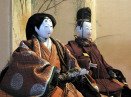
Germany

Puppenfest
Ein japanisches Mädchenfest
Tag des Mädchens


:::::::::::::::::::::::::::::::::::::::::::::::::::::::::::::::::::::::::::::::::::::::::::::::::::::
India

. Golu Doll Festival .
and Navrathri, the Nine Day Festival


*****************************
Things found on the way


source : www.b-shoku.jp

:::::::::::::::::::::::::::::::::::::::::::::::::::::::::::::::::::::::::::::::::::::::::::::::::::::
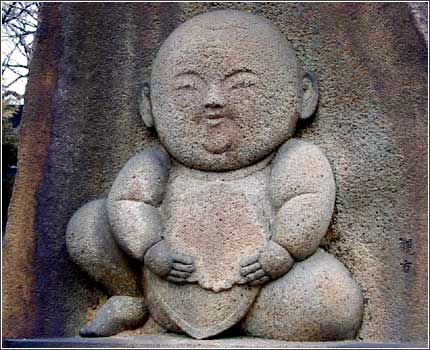


- quote
Doll diplomacy
'Hina' dolls depicting Prime Minister Shinzo Abe and U.S. Ambassador to Japan Caroline Kennedy are displayed at Kyugetsu doll company in Taito Ward, Tokyo, on Thursday. The special dolls were set up in advance of the Hinamatsuri (Doll Festival) celebrated on Girls' Day on March 3. The kanji between the Japanese and U.S. flags reads: 'Friendship.'
- source : www.japantimes.co.jp - January 2014


*****************************
HAIKU


- source : Naokimi Yamada 2018 -

草の戸も住替る代ぞひなの家
kusa no to mo sumikawaru yo zo hina no ie

this old thatched hut
will change inhabitants now -
a home with dolls

(Tr. Gabi Greve)

Matsuo Basho, at the start of his long Journey to the North of Japan, Oku no Hosomichi


Oku no Hosomichi - - - - Station 1 - Prologue 出発まで - - -
. Matsuo Basho 松尾芭蕉 - Archives of the WKD .


内裏雛人形天皇の御宇とかや
dairibina ningyoo tennoo no gyo u to ka ya

Dairi-bina,
The Emperor Ningyo
Really reigns today!

Tr. Oseko


. Matsuo Basho 松尾芭蕉 - Archives of the WKD .


:::::::::::::::::::::::::::::::::::::::::::::::::::::::::::::::::::::::::::::::::::::::::::::::::::::


妹が家も田舎雛ではなかりけり
imo ga ya mo inaka hina de wa nakari keri

in my lover's house
not one provincial doll
on Doll's Day


ちる花に御目を塞ぐ雛哉
chiru hana ni on-me o fusagu hiina kana

closing her eyes
to the scattering blossoms...
the doll


Read more :
Doll Festival, Haiku by Issa (Tr. David Lanoue)


inarande Daruma mo hina no nakama kana


lined up too
among the dolls...
Dharma

(Haiga by Nakamura Sakuo)

Issa and more Daruma Haiku


imo ga ie mo inaka hina de wa nakarikeri

at the house
of my lover, too
no country-style dolls


. Comment by Chris Drake .


hina-tachi ni hanashi shikakeru kodomo kana

the child tries
to get festival dolls
to talk back


. Comment by Chris Drake .


:::::::::::::::::::::::::::::::::::::::::::::::::::::::::::::::::::::::::::::::::::::::::::::::::::::


once a year
hina dolls are slightly flushed
with white sake


- Shared by Kyoko Shibata
Joys of Japan, March 2012


:::::::::::::::::::::::::::::::::::::::::::::::::::::::::::::::::::::::::::::::::::::::::::::::::::::


Hina Sushi


My Hina-ningyo which are the dolls for Hina-Matsuri half century ago.
And me half century ago.
Grand-parents present the dolls to their grand-daughters at the first festival.

- Shared by Mieko Motoyama
Joys of Japan, March 2012


:::::::::::::::::::::::::::::::::::::::::::::::::::::::::::::::::::::::::::::::::::::::::::::::::::::


te ni toreba haya niko-niko to uri-hina

Picking it up,
Soon I was smiling;
Dolls for sale.


Baishitsu (1768-1852), Tr. Blyth


umazume no hina kashizuku zo aware naru

The childless woman,
How tender she is
To the dolls!


Ransetsu (1654-1707), Tr. Blyth


hina no kao ware zehi naku mo oinikeri

The faces of the dolls!
Though I never intended to,
I have grown old.


Seifu (1732-1815), Tr. Blyth [Seifu is a woman]

unchanging dolls' faces--
I've had no choice, except
to grow old


Tr. Ueda


hosoki hi ni yosugara hina no hikari kana

softly lit...
all night the hina dolls
faintly shining


Buson (1716-1784), Tr. Shigeki Matsumura


obina yori mebina hookan dake takashi

Empress doll on stand,
taller than the Emperor
by only her crown.


Seishi (1901-1994), Tr, Kodaira and Marks


compiled by Larry Bole
Happy Haiku Forum March 2012


*****************************
Related words

***** . nochi no hina 後の雛 (のちのひな)
"the next doll festival"

aki no hina 秋の雛(あきのひな)"hina dolls in autumn"
kikubina 菊雛(きくびな) chrysanthemum dolls
(on the ninth day of the ninth lunar month)


***** WKD World Kigo Database: March


. Puppets and Dolls and Kigo  


Nagata jinja kamibina 長田神社神雛 "dolls of the Gods"
. Nagata Shrine in Kobe 長田神社  神戸 .


Aoshima jinja no kamibina 青島神社の神雛 "dolls of the Gods"
. Aoshima shrine 青島神社 Miyazaki .


. itobina 糸雛 string hina dolls .
Satsuma itobina 薩摩糸びな Satsuma string hina dolls
From Kagoshima, Miyazaki


. tatsubina 辰雛 Dragon hina dolls .


. uumen ウーメン(紙びな)hina dolls from paper .
Okinawa


:::::::::::::::::::::::::::::::::::::::::::::::::::::::::::::::::::::::::::::::::::::::::::::::::::::

. kamishimobina, kamishimo hina 裃雛
hina dolls in kamishimo robes .

. . . . . and
kosei bina 古製雛 old hina dolls from Konosu town, Saitama


CLICK for more photos
Sushi as Hina Dolls

WASHOKU ... Japanese Food SAIJIKI


. Awashima Matsuri 淡島祭 Awashima festival  


Empress Jingu Kogo
神功皇后
. Jingu Kogo and Japanese Dolls .


. Hanayome ningyoo 花嫁人形  bride dolls .


Hina Doll Cats

- Shared by Esho Shimazu
Joys of Japan, March 2012


[ . BACK to DARUMA MUSEUM TOP . ]
[ . BACK to WORLDKIGO . TOP . ]
::::::::::::::::::::::::::::::::::::::::::::::::::::::::::::::::::::::::::::::::::::::::::::::::::::: 

4/06/2005

Dew (tsuyu)

[ . BACK to Worldkigo TOP . ]
:::::::::::::::::::::::::::::::::::::::::::::::::::::::::::::::::::::::::::::::::::::::::::::::::::::

Dew, dewdrops (tsuyu)

***** Location: Japan, worldwide
***** Season: All Autumn and see below
***** Category: Heaven


*****************************
Explanation

dew, tsuyu 露

first dew, hatsu tsuyu 初露
evening dew, yuuzuyu  夕露
night dew, yozuyu 夜露
morning dew, asa tsuyu 朝露

white dew, shiratsuyu, hakuro 白露

beads of dew, tsuyu no tama 露の玉

heavy with dew, tsuyukeshi, tsuyukesa 露けし, 露けさ


cold dew, kanro 寒露. October 8


autumn with dew, tsuyu no aki 露の秋
home, lodging with dew, tsuyu no yado 露の宿

dew dripping from trees, under the dew, shitatsuyu 下露
dew above, on the leaves, uwatsuyu 上露


dew on chrysanthemums, kiku no tsuyu 菊の露


.................................................................................


kigo for late autumn

. tsuyujimo 露霜 (つゆじも) frozen dew
"dew and frost"

tsuyu shigure 露しぐれ (つゆしぐれ) dew dripping as intense as sleet


後からぞっとするぞよ露時雨
ushiro kara zotto suru zo yo tsuyu-shigure
. WKD : Kobayashi Issa 小林一茶 in Edo .


tsuyuzamu 露寒 (つゆざむ) cold dew
dew in the cold
tsuyu samushi 露寒し(つゆさむし)dew feels cold
..... tsuyu sayuru 露冴ゆる(つゆさゆる)


:::::::::::::::::::::::::::::::::::::::::::::::::::::::::::::::::::::::::::::::::::::::::::::::::::::


This word has been used as a symobl of autumn in Japanese poetry since the Heian period.
It is found already in the Manyo-Shu 万葉集 poetry collection.

Since is refers to something that looses its being when the sun starts shining, it is a symbol for the fleeting life itself. In Buddhism, death is just a step to another way of being, and the time spent with the ancestors is so much longer than the time spent here on this earth. Dewdrops are the perfect metapher for the changes in the natural circle of all things, like the shells of cicadas (monuke, utsu-semi).

the world of dew, tsuyu no yo 露の世
the body of dew, tsuyu no mi 露の身
the life of dew, tsuyu no inochi 露の命


Dewdrops are also a symbols for tears in Asian art, in Japan also in connection with the long sleeves of a kimono, wet with dew (tears).
The sleeve is an important item, used by ladies to wipe their tears.

. tamoto たもと【袂】the sleeve of a kimono


Dew can be observed in all seasons, but is most often seen in autumn.
It is also a sign that the long humid Japanese summer is coming to an end.


:::::::::::::::::::::::::::::::::::::::::::::::::::::::::::::::::::::::::::::::::::::::::::::::::::::


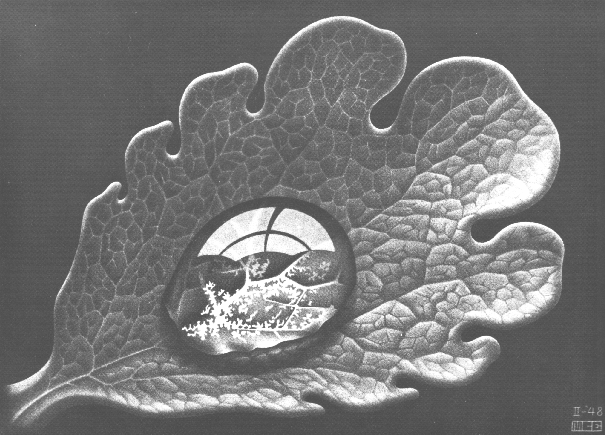
The World in a Dewdrop. by M.C. Escher


Natural Mandala Patterns, Gabi Greve


:::::::::::::::::::::::::::::::::::::::::::::::::::::::::::::::::::::::::::::::::::::::::::::::::::::
:::::::::::::::::::::::::::::::::::::::::::::::::::::::::::::::::::::::::::::::::::::::::::::::::::::


kigo for late spring

haru no tsuyu 春の露 (はるのつゆ) dew in spring


:::::::::::::::::::::::::::::::::::::::::::::::::::::::::::::::::::::::::::::::::::::::::::::::::::::

kigo for all summer

natsu no tsuyu 夏の露 (なつのつゆ) dew in summer

. cool dew, tsuyu suzushi 露涼い  


:::::::::::::::::::::::::::::::::::::::::::::::::::::::::::::::::::::::::::::::::::::::::::::::::::::
kigo for all winter

tsuyu koru 露凝る (つゆこる) dew is freezing
..... tsuyu kooru 露こおる(つゆこおる)
..... tooro 凍露(とうろ)frozen dew


. SAIJIKI
HEAVEN in all seasons


*****************************
Worldwide use

Germany

Tau, Tautropfen

:::::::::::::::::::::::::::::::::::::::::::::::::::::::::::::::::::::::::::::::::::::::::::::::::::::::

Mongolia

dew
kigo for summer

Ulan Bator (Ulaanbaatar):
The dew point is often a better measure of how comfortable a person will find the weather than relative humidity because it more directly relates to whether perspiration will evaporate from the skin, thereby cooling the body. Lower dew points feel drier and higher dew points feel more humid.

Over the course of a year, the dew point typically varies from -37°C (dry) to 13°C (comfortable) and is rarely below -43°C (dry) or above 16°C (comfortable).

The time of the year between June 23 and August 23 is the most comfortable, with dew points that are neither too dry nor too muggy.
source : weatherspark.com


morning dew
reflects the glare of the sun
on the steppe ...


Burenbileg Batsuuri

. MONGOLIA SAIJIKI .


More Mongolian poems with dew :
source : Beyond the Limits


*****************************
Things found on the way


In the dew of little things,
the heart finds its morning
and is refreshed.


Kahlil Gibran, The Prophet


*****************************
HAIKU


. Matsuo Basho 松尾芭蕉 haiku about dew .


:::::::::::::::::::::::::::::::::::::::::::::::::::::::::::::::::::::::::::::::::::::::::::::::::::::::


morning dew -
the pearl necklace
of my grandmother


© Haiku and Photo by Gabi Greve, 2005


:::::::::::::::::::::::::::::::::::::::::::::::::::::::::::::::::::::::::::::::::::::::::::::::::::::::

- - - - - Kobayashi Issa - - - - -

露けさや石の下より草の花
tsuyukesa ya ishi no shita yori kusa no hana

humidity--
from beneath a stone
wildflowers


.. .. ..

露けしや草一本も秋の体
tsuyukeshi ya kusa ippon mo aki no tei

humidity--
even one blade of grass
is autumn


Issa, Tr. by David Lanoue

Discussion on the use of HUMIDITY
Translating Haiku Forum


heavy dew
one blade of grass shows
signs of autumn


"chibi" (pen-name for Dennis M. Holmes)

Discussion on TSUYUKESHI, by Nakamura Sakuo

... ... ... ... ... ... ... ... ... ...


露の世の露を鳴也夏の蝉
tsuyu no yo no tsuyu o naku nari natsu no semi

in a dewdrop world
singing at dewdrops...
summer cicada


Issa

Sakuo Nakamura notes the religious feeling in this haiku. 'Dewdrop world' suggests fragile life: how all living beings die so quickly. The phrase, "singing at dewdrops," means "singing for a very short time." He adds, "The dewdrop will soon disappear when the sun rises, and yet the summer cicada is alive and singing with pleasure, like a human being. He is not aware of his short life."
Tr. David Lanoue

... ... ... ...

しら露としらぬ子どもが仏かな
shira tsuyu to shiranu kodomo ga hotoke kana

the child unaware
of the white dewdrops
a Buddha


Issa
Tr. David Lanoue

shiranu ga hotoke, a Japanese proverb meaning: not knowing is bliss


... ... ... ...


tsuyo-no-yo wa tsuyu-no-yo nagara sari nagara

Diese Tautropfen-Welt
Mag ein Tautropfen sein,
Und doch...


Kobayashi Issa
Haiku Plus, Germany


露の世は露の世ながらさりながら
tsuyu no yo wa tsuyu no yo nagara sari nagara

this world
is a dewdrop world
yes... but...

One of Issa's most famous poems, this haiku was written to mourn the death of his daughter Sato. It is a reworking of an earlier poem of grief, one written on the one-year anniversary of the death of Issa's first child, Sentarô: "it's a dewdrop world/ surely it is/ and yet..." According to Buddhist teaching, life is as fleeting as a dewdrop and so one should not grow attached to the things of this world. However, in both poems Issa adds the phrase, "and yet..." His human heart clings to his lost children.

John Brandi provides a succinct summary: "[Issa] says I know the world of dew is just the world of dew, yet I feel pain, I am alive"; qtd. in Nanao Sakaki, Inch by Inch: 45 Haiku by Issa (Albuquerque: La Alameda Press, 1999) 72.


... ... ... ...


露の世は得心ながらさりながら
tsuyu no yo wa tokushin nagara sari nagara

it's a dewdrop world
surely it is...
yes... but...


Issa
Tr. David Lanoue

...

World like a dewdrop
though it's only a dewdrop
even so, even so.

Tr. Jane Reichhold

...

While this dewdrop world
Is but a dewdrop world,
Yet--all the same!

Tr. John Paris

...

those old Chinese poets understood
their world of dew.

and yet,
and yet...

Comment by : Eric Hevesy

..........................

tsuyu no tama hitotsu hitotsu ni kokyoo ari

in beads of dew
one by one my home
village

Tr. David Lanoue

Are the dewdrops in the poem a metaphor because he links them to a sense of home?
Or are they something else?
What would that something else be?
... Translating Haiku Forum

..........................


半分は汗の玉かよ稲の露
hanbun wa ase no tama ka yo ine no tsuyu

hey, look, half
must be drops of sweat --
dew on the rice stalks

Tr. Chris Drake

This summer hokku is from the middle of the 6th month (late July) of 1822. Rice planting in Issa's area was usually done at the end of the 4th month (May) or beginning of the 5th month (June), about six or seven weeks before this hokku was written, and now the rice plants are just beginning to show signs of putting out heads of rice at the top of their lengthening stalks. At this point, the main jobs are weeding and thinning as well as draining the wet paddies and reflooding them, and there is much work to be done before the harvest in early October. It's the hottest time of the year now, and the farmers in the paddies are sweating profusely, so Issa seems to be quite worried about their health. As the son of a farmer, he must know how hard the work is, even though as an adult he rarely worked in the paddies. And his own father collapsed in a field and died not long afterward.

This seems to be a rather existential hokku for Issa, since the tone is direct, colloquial, rough, and emotional. It is more than a question: it expresses a serious suspicion bordering on strong, passionate conviction. It is even possible to interpret Issa's ka yo here as indicating a rhetorical question, as in:

you think only half
are drops of sweat?
dew on the rice stalks

just look -- could only
half of it be sweat?
dew on the rice stalks


In this strong reading, someone would have been talking about the heat and saying that half the dew on the rice stalks must be sweat, and Issa disagrees, using irony to ask, how could all that sweat be only half the dew drops I see? (It must be more than half....) I mention this possibility since someone might want to do a colloquial translation that would explore this reading.

Chris Drake


. Kobayashi Issa 小林一茶 in Edo .


ine no tsuyu 稲の露 strong alcoholic drink from Okinawa


:::::::::::::::::::::::::::::::::::::::::::::::::::::::::::::::::::::::::::::::::::::::::::::::::::::


金剛の 露ひとつぶや 石の上
kongoo* no tsuyu hitotsubu ya ishi no-ue

Kawabata Bosha 茅舎

Like a diamond
a drop of dew, all alone
on a stone.

tr. Ueda Makoto


just one drop of dew
situated on a rock --
indestructible.

tr. Nakamura Yutaka

*kongoo: a mythical metal so hard nothing can cut or break it. In Buddhist terminology, 'kongou' is often used to mean something that is extremely hard and valuable.
kongoo-seki: diamond (seki: stone) 金剛石


This gem pays tribute to a haiku ideal: images before ideas.
Classic Haiku, Yuzuru Miura


A drop of dew
Sits on a rock
Like a diamond.

trans. Yuzuru Miura; Classic Haiku: A Master's Selection


Comment and translation by Donald Keene:
Dawn to the West
Bosha wrote an exceptional number of poems about the dew. His first collection, 'Kawabata Bosha Kushuu' (1934), opened with twenty-six haiku on the dew. No doubt he associated his own life in the traditional manner, with the ephemeral dew, but he insisted paradoxically on its strength, as if to proclaim his intensity of purpose, despite his frailty [he died from tuberculosis of the spine]

A single dewdrop
A diamond of hardness
Lies on the stone.


Obviously, this was not the standard way to refer to the dew, but Bosha sensed a strength and absoluteness even in the quickly vanishing dew; indeed, a dew of diamond hardness was the symbol of his entire work.
People at the time sometimes spoke of Bosha's "Pure Land," a realm of lasting dewlike beauty.


Discussion by
. . . . . Larry Bole, Translating Haiku Forum

.................................................................................


. Kawabata Bosha  川端茅舎
(1897-1941), some sources quote [1900 -1941]


.................................................................................


Other Boosha dew haiku:

tsuyu no tama hashirite nokosu kotsubu kana

Beads of dew run about,
One tiny drop
Remains behind.

tr. Blyth


Tsuyu no tama ari taji-taji to nari ni keri

A ball of dew;
The ant
was aghast at it.

tr. Blyth

... ...

A dew haiku by Shiki, which Blyth says is almost a senryu:

isshoo no tsuyu o tatauru saniwa kana

A small garden
Brimming with dew,--
Half a gallon of it.

tr. Blyth


Two versions of a dew haiku by Issa:

Blyth:

hasu no ha ni kono yo no tsuyu wa magarikeri

On the lotus leaf,
The dew of this world
Is distorted.


Lanoue:

hasu no ha ni kono yo no tsuyu wa ibitsu nari

on lotus leaves
this world's dewdrops
are warped


And finally one by me,
first posted on Museki Abe's photo-haiku website:

this body of mine
on its way to the next world...
dew on a petal


Larry Bole


:::::::::::::::::::::::::::::::::::::::::::::::::::::::::::::::::::::::::::::::::::::::::::::::::::::


autumn morning
the grasshopper taps
a frozen dewdrop


Kilmeny Niland, Australia, 2007


Origa writes:
A sensitive and direct observation of a simple yet high moment in life. Two skillfully juxtaposed images, a chilly autumn morning when the nature seems almost dead (as it stressed by showing a frozen dewdrop), and a lively tiny creature, a grasshopper, doing its usual tapping on the leaves, but this morning, already on the first frost...

It evokes a painful feeling of frailness of life, and a lump in the throught... Life and death, fleeting moment and permanence, the Mother Nature's embracement of all living things and yet the impassivity for them, the profound symbolism in that grasshopper's tapping on a frozen dewdrop, and much more -- are shown in this poem in only fourteen syllables.

The way it is expressed, shows admirable skill and restraint. Each word is carefully selected for its full effect, and I particularly praise the choice of "taps". This is a most sensitive and subtle haiku with exemplary expression, a masterpiece of haiku.It deeply corresponds with the theme of the contest, and the dedication. Brava, Kilmeny!

RESULTS of the Sixth Calico Cat haiku contest.
Origa (Olga Hooper)


More Haiga by Kilmeny Niland


*****************************
Related words

Do not confuse dew (tsuyu) with a word of the same sound, but not related to it at all

***** World Kigo Database : Rainy Season (tsuyu 梅雨)

***** World Kigo Database: Rain in various kigo

***** White Dew (shiratsuyu) and Haiku


. SAIJIKI
HEAVEN in all seasons


[ . BACK to DARUMA MUSEUM TOP . ]
[ . BACK to WORLDKIGO . TOP . ]
:::::::::::::::::::::::::::::::::::::::::::::::::::::::::::::::::::::::::::::::::::::::::::::::::::::