:::::::::::::::::::::::::::::::::::::::::::::::::::::::::::::::::::::::::::::::::::::::::::::::::::::
Wind (kaze)
***** Location: Japan, worldwide
***** Season: many seasons, see below
*****************************
Explanation
The God of Wind, Fuujin 風神

. Gods of Wind and Thunder 風神雷神 .
. Yakusa no ikazuchi 八雷神 Eight Gods of Thunder .
. Oikazuchi no Kami 大雷神 Ikazuchi no Kami .
Deity of Thunder
WIND just like that (kaze 風 )
is not a kigo in Japan but a nonseasonal topic.
The same holds for the word STORM.
Wind was (and still is) important for the fishermen and farmers of Japan.
Some seasonal winds are beneficial, some are quite destructive. Some regional winds were necessary to prepare dried fish, fruit and vegetables.
But since the wind is a constant partner throughout the year, there are many detailed phenomenon used as kigo for it. Other expressions about the seasonal winds are just "season words" and never made it to the kigo selection, because no haiku poet choose to write a haiku about it.
Let us go through the WIND during the seasons.
Read about the Japanese Gods of the Elements, including the God of Wind
by Gabi Greve
http://darumapilgrim.blogspot.com/2005/02/suijin-god-of-water.html
xxxxxxxxxxxxxxxxxxxxxxxxxxxxxx
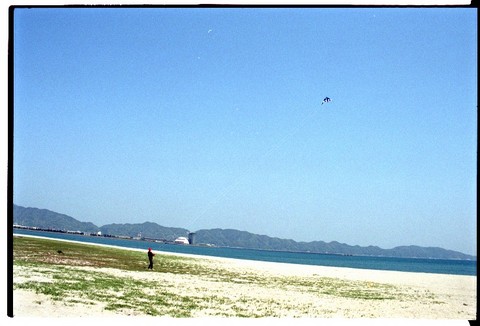
spring wind -
the mind just soars and soars
and soars
© Photo and Haiku by Gabi Greve
http://happyhaiku.blogspot.com/2005/04/wind.html
:::::::::::::::::::::::::::::::::::::::::::::::::::::::::::::::::::::::::::::::::::::::::::::::::::::
Spring
spring breeze (harukaze 春風、haru no kaze 春の風)
The reading of "shunpuu しゅんぷう" is not frequent in haiku.
This is a soft and gentle wind on a sunny day. spring wind sounds too general as a translation, since in could be a strong wind, a soft wind or any other kind.
This wind blows from an eastern or southern direction and indicates that the winter patterns of wind are now changing.
It reminds of an old Chinese poem
shunpuu taitoo 春風駘蕩 a gentle mild wind, where people wander around in peace and leisure and enjoy the warm wind blowing.
春風駘蕩自心和
- 春風駘蕩(たいとう)自ずから心和らぐ
径草愈青華彩多
- 径草愈(いよいよ)青くして華(はな)は彩(いろどり)多し
誰茉莉花低緩唱
- 誰ならん茉莉花(まつりか)を低く緩やかに唱うは
将時万物賜歓歌
- 将に時は万物に歓びの歌を賜わんとす
(下平声五歌韻)
茉莉花=モーリファ
駘蕩=のどかでのんびりしている
source : Yomikudash
...
"bright breeze" is not a kigo, but a topic for haiku.
. . . . . and not to confuse with
. shining spring wind, kaze hikaru 風光る
... soft wind, kaze yawaraka 風やわらか(かぜやわらか)
... spring shines, shunkoo,shunkō 春光
Spring Breeze, more haiku
first strong south wind in Spring, haru ichiban 春一番
this is followed by second, third and fourth South wind
..... haru niban 春二番, haru sanban 春三番, haru yonban 春四番
This is usually quite a strong storm or gusty wind on the coast of the East side of Japan, toward the end of February. It used to be a kind of negative kigo, pertaining to the hardships of the fishermen in Nagasaki. Later on, it became more positive, since after haru ichiban, we know that spring is coming.
East wind (kochi 東風)
strong East wind (tsuyogochi 強東風)
morning East wind (asagochi 朝東風)
evening East wind (yuugochi 夕東風)
real East wind, magochi 正東風
larks East wind, hibarigochi 雲雀東風
plum blossoms and East wind, umegochi 梅東風
cherry blossom and East wind, sakuragochi 桜東風
shell-drawing wind (kaiyose 貝寄風,貝寄) west wind of late March or early April
On February 22 of the lunar calendar, there was a festival at the temple Tenoo-Ji in Osaka. People used to collect shells which the wind had brought to the shores and use them as an offering to the gods. It is usually a western seasonal wind and rather strong.
Nirvana West wind (nehan nishi 涅槃西風)
Higan West wind (higan nishi 彼岸西風)
West wind during the Nirvana festival (Nehan-e, March 15) or spring equinox.
.................................................................................
wind up mount Hira, Hira hakkoo 比良八荒
..... hakkoo no are 八講の荒れ wild wind of mount Hira Hakko
Usually the wind comes down from the mountain peak (oroshi 降ろし), but sometimes in spring the situations is just the opposite. This is a rather strong western wind, most frequent in March at Lake Biwa.
Hira is a famous mountain range there and the downwind is called "Hira oroshi".

http://koayu.eri.co.jp/Biwadas/wd010324.htm
observance kigo for mid-spring
Hira hakkoo 比良八講 prayer ceremony for Hira
24th of the second lunar month
A ceremony of the Hokke Hakkoo 法華八講 "Eight recitations of the Lotus Sutra scrolls" at the shrine Shirohige Jinja 白髭神社 with prayers to the deity Hira Myoojin 比良明神 (Hira gongen 比良権現, Shirohige Myojin 白鬚明神). Mountain ascetics from Mt. Hieizan in Kyoto come down to read the sutras for four days. This is the time when the wind blows hard and Lake Biwa is showing huge waves.
The red torii gate of the shrine is a landmark at Lake Biwa and the shrine is probably the oldest around the lake.
There is also a stone memorial with a haiku by Matsuo Basho and Murasaki Shikibu nearby.
. Reference : Shirahige Shrine
北むけば比良八講の寒さかな
kita mukeba Hira hakkoo no samusa kana
facing north
there is the cold wind
at the Hira ceremony
Matsuse Seisei (1869 - 1937)

source : Hira Hakko Festival 2005 / Pure Land Mountain
.................................................................................
breeze during snow melt (yukige kaze 雪解風)
breeze on the tree buds (ko no me kaze 木の芽風)
There are some other nice kigo with the tree buds, like "ko no me doki" time of the tree buds.
"shining spring wind", kaze hikaru 風光る
"the wind shines"
On a fine sunny spring day, when nature is gently swaying in the spring breeze.
"kaze hikaru" is also the name of a famous manga.
strong spring wind, haru hayate 春疾風
spring storm, haru are 春荒
..... haru arashi 春嵐
North wind in Spring, haru kita 春北風
kurogita 黒北風 (くろぎた) "black northern wind"
..... kurogeta くろげた
Usually in March, when the winter weather patterns begin to change, but come back once more to a cold breeze. Especially feared at the coastline of the Japanese Sea. In Tamba the fishermen call it kurogeta and are afraid to go out on sea, because the boats frequently fall pray to the wind.
gentle south wind on the cherry blossoms, sakuramaji 桜まじ
maji is a gentle Spring wind, usually in Kyushu.
"oily south wind", aburamaji 油まじ
..... abura kaze 油風, aburamaze 油まぜ
Southern wind in the areas of Tookai, Kinki, Chuugoku and the Seto Inland sea. IT is a gentle wind and makes the sea look like oil had been poored on it.
. mookoo kaze 蒙古風(もうこかぜ)Mongolian wind
baifuu 霾風(ばいふう)wind with yellow sand
koosa 黄砂 (こうさ) yellow sand (from the Gobi desert)
.................................................................................
.. .. .. Wind in other spring words

toy balloon, "wind ship" (fuusen 風船)
traditionally made of paper (kami fuusen 紙風船)
lately of rubber (gomu fuusen ゴム風船).
seller of balloons, fuusen uri 風船売(ふうせんうり)
baloon, Luftballon.
This does not include the
hot air balloon (バルーン baruun, 気球 kikyuu).
They are a TOPIC.
windwheel (kazaguruma 風車)
pinwheel, wind wheel, Windrädchen

http://www.chikuen.com/japanese/category2.html
kazaguruma uri 風車売(かざぐるまうり)
seller of windwheels
plant kigo for early summer
kazaguruma no hana 風車の花 (かざぐるまのはな)
"windwheel flower"
tenshiren 転子蓮(てんしれん)
tenshi botan 纏糸牡丹(てんしぼたん)
kazagurumasoo 風車草(かざぐるまそう)"windwheel plant"
Calystegia pubescens, a kind of morning glory
.......................................................................
. tsurushibina つるし雛 / 吊るし雛 small hanging hina dolls .

kamifuusen, kami fuusen 紙風船 toy baloon (from paper)
With the wish that the girl will play with it skilfully and grow up healthy.
- - - - -

kazaguruma 風車 windwheel
A favorite toy of small children. The rainbow colors may ward off evil. With the hope that the child will be blessed with favorable winds and influences in life.
:::::::::::::::::::::::::::::::::::::::::::::::::::::::::::::::::::::::::::::::::::::::::::::::::::::
SUMMER
. wind in SUMMER (natsukaze 夏風)
There are many regional winds along the shore of Japan, with different names.
:::::::::::::::::::::::::::::::::::::::::::::::::::::::::::::::::::::::::::::::::::::::::::::::::::::
Autumn
kigo for early autumn
aki no hatsukaze 秋の初風 (あきのはつかぜ)
first wind of autumn
..... hatsu akikaze 初秋風(はつあきかぜ)
..... hatsukaze 初風(はつかぜ)"first wind"
This expresses a feeling that the hot, humid summer is coming to an end and a cooler breeze is bringing some refreshment.
"voice of the reeds", wind in the reeds, ogi no koe 荻の声
.................................................................................
observance kigo for all late autumn
kaze ire, kazeire, kaze-ire 風入れ(かぜいれ) "airing the treasures"
at the treasure house Shosoin in Nara and many temples
Shoosoin bakuryoo 正倉院曝涼 (しょうそういんばくりょう)
After a humid summer, the scrolls and treasures are taken out of their boxes and hang out to air and dry.
Visitors are often allowed to come and enjoy the temple treasures.
.................................................................................
kigo for all autumn
autumn breeze, autumn wind, wind of autumn
(akikaze, shuufuu, aki no kaze 秋風)
sofuu 素風(そふう)"simply wind"
kinpuu 金風(きんぷう)"golden wind"
ironaki kaze 色無き風 (いろなきかぜ) wind without color
kaze no iro 風の色(かぜのいろ)color of the wind
..... kazairo, kaza-iro 風色
This wind carries with it the sound of rustling leaves
This autumn wind is associated with the color WHITE.
"The wind of autumn has no color (iro naki kaze)" is an old saying, therefore it is white.
Read more about this color by clicking on the following haiku:
ishiyama no ishi yori shiroshi aki no kaze
autumn wind
whiter than the white cliffs
of this mountain
Matsuo Basho
Tr. Gabi Greve
soorai 爽籟 そうらい refreshing sounding autumn wind
.................................................................................
first autumn storm, hatsu arashi 初嵐
(early autumn)
Usually from end of autust till mid-september, but not as strong a storm as a real typhoon of the mid-autumn season. It is followed by the nowaki, see below.
Typhoon (Japan) Hurricane
oshiana おしあな
typhoon-like wind from south-east.
taifuu 颱風 / 台風(たいふう) typhoon
(mid-autumn)
wild autumn flowers in the wind (hananokaze 花野風)
This refers to fields bright with blossoms of autumn flowers. As the season reaches its peak, a wide variety of wild plants flowers or ripens into seed, to be tossed in the autumn winds. Broad expanses of fields at the feet of mountains may turn bright with color when the autumn flowers are in bloom. Wildflowers have a distinctive beauty unlike that of cultivated flowers -- and a slightly desolate quality that appears when they are briefly at their peak and about to fall. The seasonal word hanano, associated with autumn, was already in use by medieval waka and linked verse poets. It has long been a favorite of haikai poets, as well.
voice of autumn (aki no koe 秋の声, shuusei 秋声)
"sound of autumn" (aki no oto 秋の音)
particularly at night: wind in trees, plants; patter of leaves, rain; insect cries; and so on
"feeling autumn" (shuuki (秋気).
. richi no kaze 律の風(りちのかぜ)melancolic wind of richi
richi no shirabe 律の調べ (りちのしらべ) the sound of richi
storm, equinoctial storm "Field Divider" (nowaki 野分, nowake 野分け)
(mid-autumn)
apparently an old name for "typhoon", in haikai understood to emphasize the wind, as opposed to typhoons in which rain is most prominent.
The simple translation "windstorm" for this one seems problematic, after all, any storm is a windstorm.
mountain wind in the Seto Inland Sea area
yamaze やまぜ, yamaji やまじ
It blows from the mountains down to the flat costal areas.
"wind at the end of O-Bon", okuri maze 送りまぜ、送南風
South wind at the end of the O-Bon festival, according to the Lunar Calendar.
... Southern Wind, maji 南風
In Central Japan, this was the wind along the coast that would send the old sailing ships on their way toward the North, for trade with Hokkaido.
Northern Wind, "great western wind" takanishi 高西風
Wind from Northwest, especially in Kyushu and the Sanin Region of Western Japan.
It blows when it is time for harvesting the rice fields, and was therefore also called
"blowing away the chafs" momi otoshi 籾落とし
.................................................................................
kigo for mid-autumn
aogita 青北風 (あおぎた) "green northern wind"
A dialect word used in Hirado and Iki island of Kyushu, sometimes also in Western Japan. This is a strong wind blowing on clear autumn days.
taro-storm , taro-tempest (imo-arashi 芋嵐 (いもあらし)
wind strong enough to batter the leaves of a taro plant
kibi-arashi 黍嵐 (きびあらし) storm in the millet fields
kariwatashi kari watashi 雁渡し (かりわたし)
"geese are passing"
A northern wind in the Izu and Ise area. This wind comes with rain to start with, but later the rain stops and autumn weather with strong wind continues. It is just the time when the geese start to fly over the region.
sakeoroshi, sake oroshi 鮭颪 (さけおろし)
"blowing down on the salmon"
Strong wind during the time when the salmon come to the rivers of Northern Japan to lay eggs.
. WASHOKU
Salmon (sake)
salmon, sake (when in the water) 鮭
... pronounced shake when used as food on the table.
.................................................................................
kigo for late autumn
oonishi 大西風 (おおにし) great western wind
A low pressure system comes over the pacific toward Northern Japan, carrying strong north-western gales.
:::::::::::::::::::::::::::::::::::::::::::::::::::::::::::::::::::::::::::::::::::::::::::::::::::::
Winter
winter wind, fuyu no kaze 冬の風 (ふゆのかぜ)
..... fuuyukaze 冬風(ふゆかぜ)
cold wind, kanpuu 寒風(かんぷう)
wind makes it cold, kaze sayuru 風冴ゆる(かぜさゆる)
wind makes it freezing, itekaze 凍て風(いてかぜ)
dry wind, sorakaze 空風 (からかぜ)
karakkaze 空っ風(からっかぜ)
anaji 乾風 (あなじ)
..... anaze あなぜ、anashiあなし
dry cold wind from Siberia, blowing into Western Japan
Strong Sibirian winds blowing into Northern Japan along the Sea of Japan coast,
tamakaze たま風 (たまかぜ)
tabakaze たば風(たばかぜ)
strong wind in the bay of Tokyo, bettoo べっとう
Withering Wind kogarashi, Cold Gales. Early Winter.
shimaki しまき【風巻(き)】 strong wind
In olden times, the Character for wind was also pronounced SHI. This is a wind that whirls around things, it blows in Northern Japan and Hokkaido. With snow, it is
yuki shimaki 雪しまき

north wind, kita 北風 (きた)
..... kita kaze 北風(きたかぜ)
hokufuu北風(ほくふう)、sakufuu 朔風(さくふう
saku means north
..... narai ならい , 北風(ならい)
northwind blowing, kita saku 北吹く(きたふく)
strong northern wind, oogita 大北風(おおぎた)
northwind in the morning, asagita 朝北風(あさぎた)
north wind coming down the mountains, kita oroshi
北颪 きたおろし
..... kitaoroshi 北下し(きたおろし)
..... kita shibuki 北しぶき (きたしぶき)
Some mountains are especially famous for its cold winds:
cold wind down from Mt. Asama, Asama oroshi
cold wind down from Mt. Akagi, Akagi oroshi
cold wind down from Mt. Ibuki, Ibuki oroshi
cold wind down from Mt. Hieizan, Hiei oroshi
cold wind down from Mt. Rokko, Rokko oroshi
snowstorm "wind and snow" (fuusetsu 風雪)
"wind flowers" snowflakes (kazahana 風花)

© Photo Gabi Greve
http://happyhaiku.blogspot.com/2005/04/sunbeam-for-us-all.html
.........................................
fuyunagi, fuyu nagi 冬凪 (ふゆなぎ) windless, calm in winter kannagi 寒凪(かんなぎ)windless in the cold
..... itenagi 凍凪(いてなぎ)
The wind has died down, and the sea is calm, often in the morning.
wind is crying, kaze ga naku 風が泣く
wind caught in the fences and hedges, like a flute, mogaribue 虎落笛 (もがりぶえ)
wind through the small apertures of a building,
sukimakaze 隙間風 (すきまかぜ)
himamoru kaze ひま洩る風 (ひまもるかぜ)
hima, here means sukima.
cut of the skin by a cold sucking wind,
"sickle weasel", kamaitachi 鎌鼬 (かまいたち)
kamakaze 鎌風(かまかぜ)
itachi is a weasel, people thought of this like the bite of a weasel.
WKD : Weasel : A sword named "Sickle-Weasel".
. Kamaitachi 鎌鼬 "sickle weasel" yokai monster.
hoshi no irigochi 星の入東風 (ほしのいりごち)
early winter
"Gods are leaving" kami watashi 神渡し (かみわたし)
kami tatsu kaze 神立風(かみたつかぜ)
According to the old lunar calendar in Novemer, when the deities of Japan, who gathered in Izumo, take leave and go back to their local areas.
There is usually a strong wind in the Izumo area.
sechigochi 節東風 (せちごち)
late winter
yooka buki 八日吹き (ようかぶき)
shiwasu yookabuki 師走八日吹き(しわすようかぶき)
Strong wind on the Kobo Daishi Day, daishi koo buki
大師講吹き
According to the old lunar calendar in November. Day of Kobo Daishi is the 21 of each month.
WKD : Kobo Daishi Kukai
:::::::::::::::::::::::::::::::::::::::::::::::::::::::::::::::::::::::::::::::::::::::::::::::::::::
New Year
first wind 初風 (はつかぜ) hatsu kaze
..... haru no hatsukaze 春の初風(はるのはつかぜ)
first wind of spring (the New Year)
..... first east wind 初東風 (はつごち) hatsugochi (hatsu kochi)
..... sechigochi 節東風(せちごち)
. hatsu matsukaze 初松風 first wind in the pines .
..... first wind in the pines 初松籟 (はつしょうらい) hatsu shoorai
..... 初松韻(はつしょういん)hatsu shooin, "first sound in the pines"
a rather strong wind that moves the pine branches
:::::::::::::::::::::::::::::::::::::::::::::::::::::::::::::::::::::::::::::::::::::::::::::::::::::
:::::::::::::::::::::::::::::::::::::::::::::::::::::::::::::::::::::::::::::::::::::::::::::::::::::
More WIND vocabulary, as topic for haiku
amatsukaze あまつかぜ【天つ風】 wind blowing from the high sky
The TSU is in fact a NO, ten no kaze.
am Himmel wehender Wind
arashi 嵐 storm
The Chinese character shows a mountain from which the wind blows. In waka, it was also written araji 有らじ
Together with other indicators, it is used as a kigo, as we have seen above.
hakaze はかぜ【葉風】 "leaf wind"
Often in summer, when he moves the leaves in the forest. It is a kind of wind that can easily be heared.
hakaze はかぜ【羽風】 "feather wind"
Gentle wind, said to come up when the birds and small beetles wave with their wings or when gentle maiden dance with long-sleeved robes.
mafuu まふう【魔風】, makaze まかぜ demonic storm
This word is already used in ancient literature.
dämonischer Wind, furchtbarer Sturm
reppuu れっぷう【烈風】 violent wind, gale
about ca. 28-32 m/s, able to move the trunks of large trees
When it blows over the sea, the waves stand quite tall.
Saho kaze, Saokaze さほかぜ【佐保風】 wind from mount Saho
Saho was mountain in the old capital of Heiankyo, now in the north of Nara. The deity Princess Saho-Hime is supposed to have lived there.
It has a gentle touch and gives a certain elegance to a haiku.
. Sahohime, Saohime,
Sao-hime 佐保姫 (さほひめ / 狭穂姫) Princess Saohime
shippuu, hayate 疾風 strong wind
Often used as a compound, for spring.
yamakaze やまかぜ【山風】 wind blowing down from the mountain
Or a wind bowing in a mountainous region. It brings cold to the valleys below in the night.
*****************************
Worldwide use
Alaska
. Taku Winds .
along the Taku River
Egypt, North Africa
Khamsin wind
Europa
Storm, Gale in Europe Sturm
Kenya
November wind
North America
nor'easter, northeaster
kigo for winter
macro-scale storm along the East Coast of the United States and Atlantic Canada.
© More in the WIKIPEDIA !
List of Local Winds
http://mediatheek.thinkquest.nl/~ll118/en/development/types.list.html
*****************************
Things found on the way
There is a famous haiku by Matsuo Basho about the white wind of autumn.
ishiyama no ishi yori shiroshi aki no kaze
石山の石より白し秋の風
whiter than the white stones
of Ishiyama mountain <>
autumn wind
(Tr. Gabi Greve)
According to the Erh Ya, one of the earliest Chinese dictionaries, green is the color of spring, red is the color of summer, white is the color of autumn, and black is the color of winter. The spirit of autumn is clear and white. Thus, the autumn wind is characterized as a white wind that is the message of this poem.
Read more about this haiku of Basho here:
Stone Mountain, Ishiyama
... The Color WHITE in Haiku
:::::::::::::::::::::::::::::::::::::::::::::::::::::::::::::::::::::::::::::::::::::::::::::::::::::::
like dust in the wind
an image applied to Taira no Kiyomori
and his high but finally vain ambitions
. Taira no Kiyomori 平 清盛 .
*****************************
HAIKU
風色やしどろに植ゑし庭の秋
kazairo ya shidoro ni ueshi niwa no aki
color of the wind -
a sparcely planted
garden in autumn
Basho, age 51 in Iga Ueno
a greeting poem to his host, . Toodo Genko 藤堂玄虎 Todo Genki, 渡辺長兵衛 Watanabe Chobei .
Later he changed the last line variously:
風色やしどろに植ゑし庭の萩
... niwa no hagi
color of the wind -
sparcely planted
bush clover in the garden
or (to keep the sls in English)
color of the wind -
sparcely planted bush clover
in the garden
Tr. Jane Reichhold
the color of wind / planted artlessly / in an autumn garden
the color of wind / planted artlessly in a garden / bush clover
the color of wind / planted artlessly / in a garden of reeds
. Matsuo Basho 松尾芭蕉 - Archives of the WKD .
:::::::::::::::::::::::::::::::::::::::::::::::::::::::::::::::::::::::::::::::::::::::::::::::::::::
春風や 堤長うして 家遠し
harukaze ya dote nagoo-shite ie tooshi
spring breeze -
the river bank so long and
my home so far
(Tr. Gabi Greve)
Yosa Buson
Read more about this famous haiku and its translations here.
:::::::::::::::::::::::::::::::::::::::::::::::::::::::::::::::::::::::::::::::::::::::::::::::::::::
風神の愁思のまぶた重かりき
fuujin no shuushi no mabuta omokariki
the eyelids
of the wind god are heavy
with autumn melancholy
Adachi Kimihiko 足立公彦
:::::::::::::::::::::::::::::::::::::::::::::::::::::::::::::::::::::::::::::::::::::::::::::::::::::
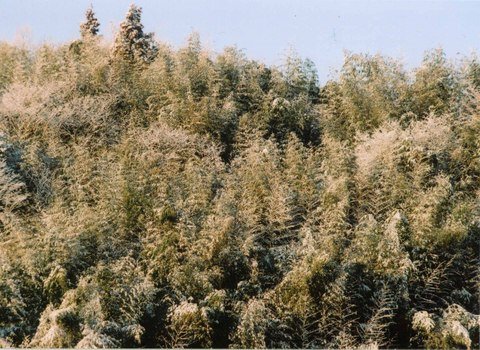
kaze no oto takeyabu ni kaze matsu ni kaze
The sound of wind
Wind in the bamboo grove
Wind in the pines
Read a special essay about "The sound of wind" kaze no oto
by Gabi Greve
. "The sound of wind" kaze no oto .
. - Matsuo Basho - The Sound of Wind - .
:::::::::::::::::::::::::::::::::::::::::::::::::::::::::::::::::::::::::::::::::::::::::::::::::::::
wind -- amidst
new oak leaves,
your goodbye
Ella W.
(the new oak leaves place this as a spring haiku).
:::::::::::::::::::::::::::::::::::::::::::::::::::::::::::::::::::::::::::::::::::::::::::::::::::::
. SAIJIKI - HEAVEN in all seasons
[ . BACK to DARUMA MUSEUM TOP . ]
[ . BACK to WORLDKIGO . TOP . ]
:::::::::::::::::::::::::::::::::::::::::::::::::::::::::::::::::::::::::::::::::::::::::::::::::::::



 Posts
Posts


15 comments:
autumn wind---
on my pilgrimage
to which hell?
秋の風我が参るはどの地獄
Issa
. Look at a Haiga by Nakamura Sakuo .
::::::::::::::::::::::::::::::::::::::::::::::::::::::::::::::::::::::
Gabi san,
沢山の風の季語を詠みました。今おはがは
何の風ですか?
寒かろな
おはがに何の
風吹くや
sakuo
Sakuo san,
大垪和の冬の風、寒いいいいいです!
. Wind and Snow in Ohaga 2005 .
GABI
::::::::::::::::::::::::::::::::::::::::::::::::::::::::::::::::::::::
. Windstorms in Hawaii, Kigo for Winter .
::::::::::::::::::::::::::::::::::::::::::::::::::::::::::::::::::::::
........................... AKIKAZE, autumn wind
wildflowers--
all we say or speak about
is autumn wind
kusa-bana ya iu mo kataru mo aki no kaze
草花やいふもかたるも秋の風
by Issa, 1810
Or: "all I say..." Makoto Ueda uses the more personal "I" in his translation. I prefer to read the haiku as a more general statement about the human condition.
Ueda notes that Issa composed this haiku on the occasion of the death of a female friend and haiku comrade, Orimoto Kakyoo; Dew on the Grass: The Life and Poetry of Kobayashi Issa (Leiden/Boston: Brill, 2004) 69.
Tr. David Lanoue http://cat.xula.edu/issa/
.......... summer wind
late summer wind . . .
wave after wave sinks back
into the sea
-- Richard Kay, Australia, 2 February, 2007
http://witheredweeds.blogspot.com/
Still opening some old mail, and saw another blog of yours, Gabi! So, while supervising exams here --
autumn wind ...
that promise we made
when we married
strong wind
wildflowers waving
as tourists leave
the wail
of a police sirene ...
cold wind
:>) Ella Wagemakers
Sojo Henjo in Hyakunin Isshū
Amatsu kaze
Kumo no kayoiji
Fuki toji yo
Otome no sugata
Shibashi todomen
The Monk Henjo
Let the winds of heaven
Blow through the paths among the clouds
And close their gates.
Then for a while I could detain
These messengers in maiden form.
http://en.wikisource.org/wiki/Hyakunin_Issh%C5%AB
Kobayashi Issa
yama-oroshi ka-ka no nobori ni okoru nari
hard winter wind
tosses streamers at each house --
summer festival
More by Chris Drake
http://groups.yahoo.com/group/translatinghaiku/message/4042
Matsuo Basho
千鳥立ち更け行く初夜の日枝颪
chidori tachi fuke-yuku shoya no hieoroshi
chidoritachi fuke yuku shoya no Hie oroshi
plovers flying away -
as the evening passes on
wind blows down from Mount Hieizan
MORE about Mount Hiei
.
Matsuo Basho
matsukaze 松風 wind in the pines
松風の落葉か水の音涼し
matsukaze no ochiba ka mizu no oto suzushi
松風や軒をめぐって秋暮れぬ
matsukaze ya noki o megutte aki kurenu
.
MORE
Matsuo Basho
川かぜや薄がききたる夕すゞみ
kawakaze ya usugaki kitaru yuusuzumi
cool river wind in the evening
kami watashi - and lighthouse
残照に点る灯台神渡し
zanshoo ni tomoru toodai kami watashi
the lighthouse burns
in the evening glow -
strong wind in Izumo
Kutsuna Tamotsu 忽那保
.
Edo Castle and Wind
Once all the shachihoko しゃちほこ bronze decorations from the gates, from 虎御門 Toranomon to 小石川御門 Koishikawa Gate had been removed.
Then suddenly strong winds did not blow any more and no rain fell. This was due to the 龍の仕業 Dragon curse. This phenomenon is also called
tsunjikaze つんじかぜ .
- Legends around Edo castle -
http://traveloguegokuraku.blogspot.jp/2007/06/edo-castle.html
mogaribue 虎落笛
- quoting Reajer
The Word 虎落笛 in a Haiku Poem by Takahama Kyoshi
The first time I had ever seen this word was a couple of days ago, in a haiku poem by Takahama Kyoshi (高浜虚子). Here is the poem with its pronunciation:
虎落笛眠に落ちる子供かな
もがりぶえ ねむりにおちる こどもかな
Here is one possible translation that attempts to preserve the original structure:
Wind whistling through a bamboo fence; falling asleep — a child.
Described in some more detail, the scene is one where freezing winter wind is blowing noisily through a bamboo fence while a child is dozing off and apparently manages to fall asleep despite the noise. Just the kind of subtle event that haiku poetry cares about.
.
http://www.reajer.com/blog/japanese-bilingual-poetry-the-word-in-a-haiku-poem-by-takahama-kyoshi
--------------
Chris Drake wrote 2 February facebook
My saijiki says
it's used for any high or low pole or board or fence that resists the wind and whines as it struggles against the wind in order to keep sanding where it is. In Kyoshi's haiku, the wind may be whining through a crack in the wall of a roughly built house.
I doubt the child is sleeping outside in winter.
In Japanese 'mogaru' means to resist or go against something else, and in this case the pole or slat resists the wind. It also means to strongly beg or wheedle. It's often used of children who are stubborn or resist their parents.
This kigo is a modern one, and the earliest example I can find is from Kyoshi. I wonder if that's because more people began to live in cold northern areas after the spread of modern heating stoves.
.
Post a Comment