:::::::::::::::::::::::::::::::::::::::::::::::::::::::::::::::::::::::::::::::::::::::::::::::::::::
Snakes, Serpent (hebi)
***** Location: Japan, worldwide
***** Season: Various, see below
***** Category: Animal
*****************************
Explanation
Snakes are to be found all over the world. There are many kigo related to the snakes and their seasonal customs. Let us look at some.
Basic kigo for SUMMER:
snake, serpent, hebi 蛇
"rope with a mouth" kuchinawa くちなわ
"Gread Green General", aodaishoo 青大将
striped snake, shimahebi シマヘビ、縞蛇
..... Elaphe quadrivirgata
. mountain snake, yamakagashi ヤマカガシ, 山棟蛇.
..... Rhabdophis tigrinus. Tiger keelback
"Crow Snake", karasuhebi 烏蛇
hibakari 竹根蛇
poisonous snake, viper, mamushi マムシ、蝮
red viper, akamamushi 赤蝮
catching vipers, mamushi tori 蝮捕
ricewine with vipers, mamushi sake 蝮酒
Okinawa Pit Viper, habu ハブ 、はぶ 飯匙倩
... Princess Viper, himehabu 姫ハブ
xxxxxxxxxxxxxxxxxxxxxxxxxxxxx
kigo for early summer
snakes changing their skin
hebi kinu o nugu 蛇衣を脱ぐ
hebi kawa o nugu 蛇皮を脱ぐ (へびかわをぬぐ)
snake skin, hebi no kinu 蛇の衣
..... hebi no nukegara 蛇の抜け殻
hebi no kara 蛇の殻(へびのから)
hebi no monuke 蛇の蛻(へびのもぬけ)
xxxxxxxxxxxxxxxxxxxxxxxxxxxxx
kigo for mid-spring
snakes coming out of their holes
hebi ana o izu 蛇穴を出づ
..... hebi ana o deru 蛇穴を出る(へびあなをでる)
..... hebi izu 蛇出づ(へびいづ)
xxxxxxxxxxxxxxxxxxxxxxxxxxxxx
kigo for mid-autumn
snake in autumn, aki no hebi 秋の蛇 (あきのへび)
snakes go into their holes, snakes start hibernating
hebi ana ni iru 蛇穴に入る
"hole confusion", ana madoi 穴まどい (あなまどい)
snakes have not yet found a hole
. . . . .
tokage ana ni iru 蜥蜴穴に入る(とかげあなにいる)
lizzards start hibernating
ari ana ni iru 蟻穴に入る(ありあなにいる)
ants start hibernating
:::::::::::::::::::::::::::::::::::::::::::::::::::::::::::::::::::::::::::::::::::::::::::::::::::::::
Snakes are wonderous creatures, the little brothers of the heavenly dragon.
They do not have any limbs yet they advance fast. They have no eyelids or outer ears. Their tongue is long and split in two.
They are a global topic of many mythological tales, just remember the Paradies story of Adam, Eve, the Apple and the snake.
The Great General, Aodaishoo, is a common snake in rural Japan and said to bring good luck to a home where he stays. We have many in the holes of the stone walls around the estate.
The skins of a snake are worshipped in some parts of Japan and kept as a special item in many local shrines.
If you are lucky to catch a living mamushi, poisonous viper, you put it in a bottle of strong rice shnaps and let it brew there for a year. Then this strong liquor is used as an antidote if bitten by a viper. It is also sold at expensive restaurants to enliven the low spirits of tired salaried workers.
Gabi Greve
:::::::::::::::::::::::::::::::::::::::::::::::::::::::::::::::::::::::::::::::::::::::::::::::::::::::
. nagamushi 長虫 "long insect", snake .
Kitami no mushiyoke 喜多見のまむしよけ
齋藤伊右衛門忠嘉 Saito Iemon
In the Edo period, snakes were considered as part of the insect realm.
When they came out during the rice-planting season, the poisonous one's were quite dangerous.
There was no real medicine to heal them, so people made use of amulets.
:::::::::::::::::::::::::::::::::::::::::::::::::::::::::::::::::::::::::::::::::::::::::::::::::::::
Quote from the Wikipedia
A Habu is any of four species of poisonous snakes found in the Ryukyu Islands, Japan.
The Habus are all pit vipers. They belong to the genus Trimeresurus whose other members are found in southeast Asia. Four species have the name habu:
Himehabu - Trimeresurus okinavensis (formerly classified in genus Ovophis)
Sakishima habu - Trimeresurus elegans
Habu - Trimeresurus flavoviridis
Tokarahabu - Trimeresurus tokarensis
Snakes living on different islands of Okinawa prefecture have slightly different features. The habus are viewed as having migrated to Okinawa over a prehistoric land bridge connecting the island to China.
Habus are usually not aggressive; however they will bite if provoked. If one is bitten, it is excruciatingly painful and fatalities were not rare on Okinawa, though the snake's poison fatalities have been controlled on the Ryukyu islands. As in other places in 1910 the mongoose was introduced from India into Okinawa to control the population of habus but recent studies indicate that mongooses have not interfered with the habu, but instead prey upon other protected rare species of birds and reptiles.
The habu does not properly hibernate during the winter, but is more active from April to late autumn. Okinawa residents are advised to keep weeds trimmed and avoid loose lumber close to their dwellings, or anything else that could attract the rodents upon which the habu feed.
During the American occupation, when A-12 (and later the SR-71 Blackbird) planes were flown out of Kadena Air Base, Okinawa, the locals thought the strange and dangerous-looking planes looked like a habu, nicknaming them Habu.
A habu was a prime player in a Japanese children's story called Miki the Mongoose.
Bottles of (very expensive) "Habu wine" are widely sold in Naha, the capital of Okinawa prefecture; the habu venom present in the wine (along with a dead snake on the bottom) is reputed to increase male virility.
Habu Kurage (Kurage means Jellyfish in Japanese) is the name used in Okinawa for the species of poisonous Box jellyfish Chiropsalmus quadrigatus.
'Habu' is also a nickname for the SR-71 Blackbird reconnaissance aircraft.
http://en.wikipedia.org/wiki/Habu
:::::::::::::::::::::::::::::::::::::::::::::::::::::::::::::::::::::::::::::::::::::::::::::::::::::
Rattlesnake
Rattlesnakes are a group of venomous snakes of the genera Crotalus and Sistrurus of the subfamily Crotalinae ("pit vipers").
There are 32 known species of rattlesnake, with between 65-70 subspecies, all native to the Americas, ranging from southern Alberta and southern British Columbia in Canada to Central Argentina.
© More in the WIKIPEDIA !

smiling rattle snake
so happy you won your meal
you have earned your rest
© Photo and Haiku : Cathy Williams, May 2007
xxxxxxxxxxxxxxxxxxxxxxxxxxxxxxxxxxxxx
Comment from a friend:
Your haiku about rattlesnakes reminded me of a pretty gruesome custom that takes place in several States of America. I attended the Whigham, Georgia Rattlesnake Roundup when I lived in Florida back in the sixties. It was the first time in my life I’d seen hundreds of snakes in one place. I watched them milked for their venom, and watched as people tasted rattlesnake tidbits on toothpicks. I was horribly fascinated then, but today I feel quite differently realizing the rattlesnakes serve us well as our best rodent catchers.
I’ve provided some links below to read one insightful accounting and a locator to show the extent of these roundups, plus a few arguments against this practice. It appears to be predominately a spring activity, although there is on January event and one June, I think.
Whigham Georgia Rattlesnake Roundup
http://www.wildclassroom.net/wildideas/rattlerroundup.html
Rattlesnake Roundup Locater: Predominately a Spring occurrence, but not always.
http://www.rattlesnakerecipe.us/roundup.htm
Concerns against Rattlesnake Roundups.
http://www.cnah.org/khs/pospaper.html

*************************************
Worldwide use
India
Serpent Festival (Nag Panchami)

Mukha Linga with Snake Hood
© Exotic India Com
:::::::::::::::::::::::::::::::::::::::::::::::::::::::::::::::::::::::::::::::::::::::::::::::::::::
Kenya
Today morning we had a morning drama with snakes in one of the premises near safari park hotel.
The said snakes were in the bamboo tree.
a calm area--
green snakes make a quiet rustle
in the bamboo branches
cold area--
five green snakes hang
on bamboo leaves
snakes!--
i hear my heart pounding
in my chest
snakes!--
fearful crowd sigh with each step
backwards
Elung'ata Barrack
January 2011
:::::::::::::::::::::::::::::::::::::::::::::::::::::::::::::::::::::::::::::::::::::::::::::::::::::
North America
Bullsnake, bull snake (Pituophis catenifer sayi)
kigo for spring
http://en.wikipedia.org/wiki/Gopher_snake
**********************************
Things found on the way
In Japanese history shortly before 1600, the Lord of Mino, Saitoo Toshimasa Doosan, was quite a formidable foe and had the nickname VIPER, Mamushi.
Mamushi, Saitoo Toshimasa
The DRAGON is the bigger brother of the snake in Asian mythology.
Read more in my Dragon Gallery.
http://dragondarumamuseum.blogspot.com/
Umbrella like the eye of a snake, ja no me gasa 蛇の目傘
often used in Kabuki plays
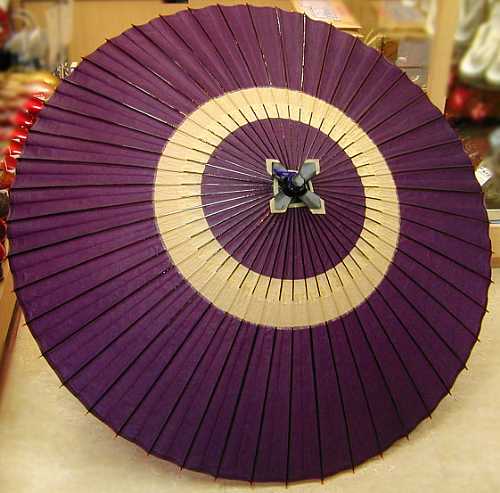
Look at some great collections of these umbrellas:
http://www.gendaiya.co.jp/s_wagasa.htm
http://kenyasaijiki.blogspot.com/2006/09/umbrella.html
*****************************
HAIKU
夏草や我先達ちて蛇狩らん
natsukusa ya ware sakidachite hebi karan
夏草に富貴を飾れ蛇の衣
natsukusa ni fuuki o kazare hebi no kinu
Two snake hokku, written at Genju-An 幻住庵
. Matsuo Basho 松尾芭蕉 - Archives of the WKD .
:::::::::::::::::::::::::::::::::::::::::::::::::::::::::::::::::::::::::::::::::::::::::::::::::::::::
穴阿房鼠が入にけり
hebi no ana ahô nezumi ga iri ni keri
into the snake's hole
oh foolish
mouse
Issa (Tr. David Lanoue)
More SNAKE haiku by Issa
..............................................
親蛇や烏さらばと穴に入る
oya hebi ya karasu saraba to ana ni iru
mother snake -
farewell crow, she says
sliding into her hole
Issa
Tr. Gabi Greve
Read a discussion of this translation.
:::::::::::::::::::::::::::::::::::::::::::::::::::::::::::::::::::::::::::::::::::::::::::::::::::::
This garter snake
goes in and out of the grass
all at the same time!
The Zen Haiku and other Zen Poems of J.W.Hackett,
Japan Publications, 1983, p.43
Garter snakes in Wikipedia

:::::::::::::::::::::::::::::::::::::::::::::::::::::::::::::::::::::::::::::::::::::::::::::::::::::
Sunny morning:
a snake slides through the fence
looking for a prey
SNAKES ...a haiku sequence
Ram Krishna Singh, India, October 2007
**********************************
Related words
***** Wild Strawberries, hebi ichigo 蛇苺
kigo for early summer
Lit. "Snake Strawberries". They are quite a weed in our area. They are not poisonous, but not delicious either, so people rarely eat them.
[ . BACK to Worldkigo TOP . ]
:::::::::::::::::::::::::::::::::::::::::::::::::::::::::::::::::::::::::::::::::::::::::::::::::::::




 Posts
Posts



10 comments:
:::::::::::::::::::::::::::::::::::
hot afternoon -
the shadow of a snake
grows smaller
. LOOK ! Gabi Greve, July 2006 .
::::::::::::::::::::::::::::::::::::::::::::::::::::::::::::::::::::::
MORE ON RATTLESNAKES
flat tire
sidewinder tracks
in the moonlight
[the sidewinder is a type of poisonous rattlesnake found in southwestern USA and Northern Mexico. It is most active from late spring to late summer. Its sideways locomotion leaves distinctive tracks in the sand. SIDEWINDER TRACKS
Billie Dee
USA
KIKU MAKURA
Matsuo Basho
蛇食ふと聞けばおそろし雉子の声
hebi kū to / kikeba osoroshi / kiji no koe
Kobayashi Issa
涼しさや松見ておはす神の蛇
suzushisa ya matsu mite owasu kami no hebi
cool air --
admiring the pine
the shrine's snake
Literally, Issa addresses a "god's snake" (kami no hebi), thus identifying the setting as a Shinto shrine.
.
David Lanoue
.
Kobayashi Issa
coolness --
a divine snake
looks at a pine
suzushisa ya matsu mite-owasu kami no hebi
This hokku is from the end of the fifth month (early July) in 1811, when Issa was staying in edo with various haijin. The hokku seems to have been written about something Issa witnessed at a Buddhist temple or Shinto shrine -- or at both simultaneously. In many cases temples and shrines shared the same precincts, with one or more Shinto shrines standing near the Buddhist temple halls, since Shinto gods were widely regarded as manifestations of Buddhas and were fused together with various Buddhas in the popular imagination (a situation that changed in the late 19th century, when the Meiji government demonized Buddhism as an alien, non-Japanese religion and forcibly separated temples and shrines in order to create state Shinto headed by the emperor as the new national religion).
Issa says the snake is divine or godly. The expression could mean anything from the god's messenger to the visible form of the god himself or herself. In this case I take the snake to be the perceptible form of the god and therefore divine, since in the second line Issa uses an honorific verb form normally used only for high-ranking humans, Buddhas, or gods. It could be a physical snake, but since images of snake gods were common in Buddhism and Shinto, Issa may be evoking a stone statue of a snake god near a shrine or temple building. Statues could, for believers, be just as filled with the divine as a living snake. A stone statue, because it was a spiritual manifestation of the god, may have made Issa feel a sudden divine coolness in the midst of the summer heat. Many snake statues were placed near waterfalls or stone basins of pure water for use by pilgrims, so cool stone and cool water might be implied as part of the overall coolness, and in haikai a pine or pines can connote a cool breeze. Pines are also the trees preferred by Shinto gods for their divine descents, so the snake's godly stare might be communicating something to the tree.
In the weeks before this hokku was written, Issa twice visited a special showing of objects of worship from the Buddhist-related Shinto shrine on Mt. Togakushi, a mountain near his hometown. One of the main gods of Mt. Togakushi is a great serpent god brought from India by Buddhists called Nine-Headed Dragon. It is possible that Issa saw a representation of this god and a divine pine and felt cold shivers or some other form of spiritual coolness. There were also many other statues of snake gods in Edo itself, mainly at shrines (within temples) devoted to Benzaiten, originally a Hindu goddess of music, artistic inspiration, fertility, water, and rain who fused with the Shinto fertility and rain god Uga, a snake god. Statues sometimes show Benzaiten as a head with the snake god Uga as her body or her headpiece, and sometimes stone snakes alone coil around just outside Uga-Benzaiten's shrine space or shrine building.
A photo of the fusion snake god Uga-Benzaiten at Mokuboji, a Buddhist temple often visited by Issa:
https://pbs.twimg.com/media/B6cbCFHCIAAcWYP.jpg
An image of a blissed-out-looking snake near a Benzaiten shrine building:
http://www9.plala.or.jp/sinsi/07sinsi/fukuda/hebi/image/hebi-1-202.jpg
Chris Drake
Many legends to explore !
kuchinawa daija, orochi . . hebigami .
https://omamorifromjapan.blogspot.jp/2015/05/legends-about-animals.html
.
Legends from Niigata
.
hebi 蛇 snake
.
https://fudosama.blogspot.jp/2017/10/fudo-legends-07-nagano.html
.
Legend from Hiroshima 広島県
福山市 Fukuyama 走島町 Hashirijima town
hebi 蛇 serpent
Once upon a time, a serpent shape-shifted into a young man and begun to visit a certain girl. She eventually got pregnant.
An itinerant Rokubu understood that the child was from a serpent and told them to obeserve the following:
On the seasonal festival in March she should drink 桃酒 peach rice wine and on the seasonal festival in May she should drink 菖蒲酒 rice wine with iris. The girl did as told and when the time came she gave birth to a very long serpent.
.
https://gokurakuparadies.blogspot.jp/2017/10/rokubu-pilgrims-02-aichi.html
.
Legends about
- daija, orochi 大蛇 the huge serpent, great snake -
https://kappapedia.blogspot.jp/2015/07/daija-huge-snake.html
and
- hebi 蛇と伝説 Legends about snakes and serpents
https://heianperiodjapan.blogspot.jp/2018/05/hebi-snake-serpent-legends.html
.
hebi 蛇と伝説 Legends about snakes and serpents
hebi 蛇 / へび / ヘビ snake - Schlange
.
https://heianperiodjapan.blogspot.com/2018/05/hebi-snake-serpent-legends.html
.
Post a Comment